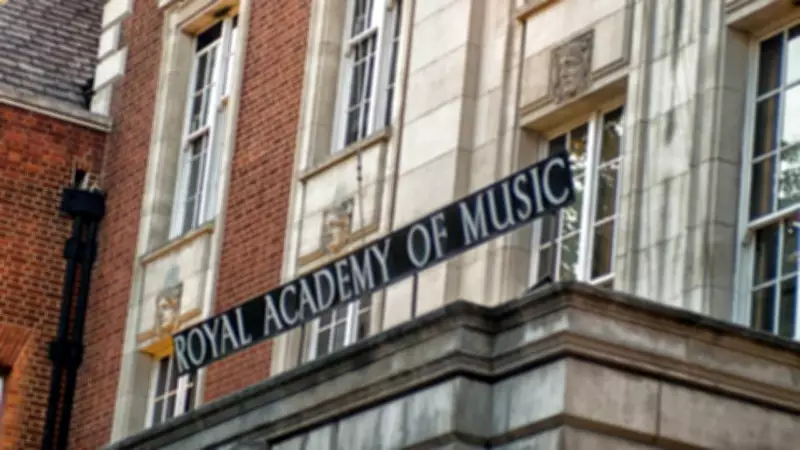
Royal Academy of Music's State-School Scheme Ignites Equity Debate in UK
The prestigious Royal Academy of Music, based in the United Kingdom, has stirred significant controversy with the introduction of a new foundation year program that restricts eligibility to state-educated students. This initiative, as reported by The Times, has raised concerns that it may inadvertently marginalize less affluent pupils from private schools, sparking a broader debate on fairness and access in music education.
Foundation Year Details and Eligibility Criteria
Established in 1822, the academy is launching a fully funded foundation year targeted at musicians aged 18 to 20. The program aims to support individuals from under-represented backgrounds, specifically those who may have missed out on comprehensive music training due to a long-term decline in resources within state schools. Only five students will be selected annually, with the inaugural cohort set to begin in July. Selected participants will benefit from individual tuition, academic guidance, ensemble training, and assistance with university applications.
Criticism from School Leaders and Educators
The eligibility rule has faced sharp criticism from school leaders who argue that socioeconomic background cannot be accurately assessed solely based on the type of school attended. Philip Britton, a prominent educator, emphasized, "There are plenty of less well-off people in independent schools and plenty of privileged people in state schools." He highlighted examples like Bolton School, which offers full fee support for families earning below £20,000, illustrating the diversity within private institutions.

Richard Jones, head of Bryanston School in Dorset, described the academy's approach as "naïve" and warned that it risks reinforcing stereotypes about private education. He noted that many independent schools provide bursaries to students from low-income families and advocated for applications to be evaluated on an individual basis rather than through broad categorizations.
Academy's Defense and Broader Initiatives
In response to the backlash, the Royal Academy of Music has defended its position. Principal Jonathan Freeman-Attwood stated that the focus is on students who "desperately need and deserve" support, particularly those with strong potential who have lacked access to adequate training. The academy argues that students from independent schools are more likely to have already received structured music education, justifying the targeted approach.
Funding for the first three years of the program is provided by the Clore Duffield Foundation. Its chair, Vivien Duffield, explained that the initiative is designed to give talented young musicians the necessary time, training, and guidance to advance their careers. Additionally, the academy highlighted its wider efforts, including supporting over 500 young people annually and disbursing £5.8 million in financial aid to students last year.
This debate underscores ongoing challenges in balancing equity and inclusivity within elite educational institutions, as the Royal Academy of Music navigates the complexities of addressing historical disparities in music training while ensuring fair opportunities for all aspiring musicians.