Pakistani Drama Jahannum Ba'raasta Jannat Ignites Widespread Discussion Across Indian Social Media Platforms
A Pakistani television series has unexpectedly surged into the spotlight on Indian social media feeds, capturing widespread attention and sparking intense conversations. Short clips from the show are being shared extensively, reactions are flooding in, and the discourse is intensifying with each passing day. What has particularly captivated audiences is not merely the plot but the manner in which specific elements have been depicted. Numerous viewers in India are closely observing and raising questions about the authenticity and presentation of the content.
Online Buzz Rekindles Debate Over Bollywood Film Dhurandhar
This viral online activity has also revived discussions surrounding a Bollywood film that previously generated controversy across the border. Ranveer Singh's Dhurandhar, directed by Aditya Dhar, did not receive a theatrical release in Pakistan due to the strained relations between the two nations. Despite this, the film reached Pakistani audiences through pirated DVDs and unauthorized streaming platforms. Eventually, it became accessible on Netflix Pakistan. Its sequel, Dhurandhar 2, followed a similar trajectory, being consumed via unofficial channels.
The film gained popularity but also faced significant criticism. A notable point of contention involved the portrayal of Lyari, with many Pakistani viewers expressing dissatisfaction over its negative depiction as a hub of crime, gangs, and political turmoil. This backlash prompted an official response from the Sindh Information Department, which announced a film titled Mera Lyari and labeled Dhurandhar as "propaganda," though the project remains unreleased.

New Pakistani Show Jahannum Ba'raasta Jannat Draws Scrutiny in India
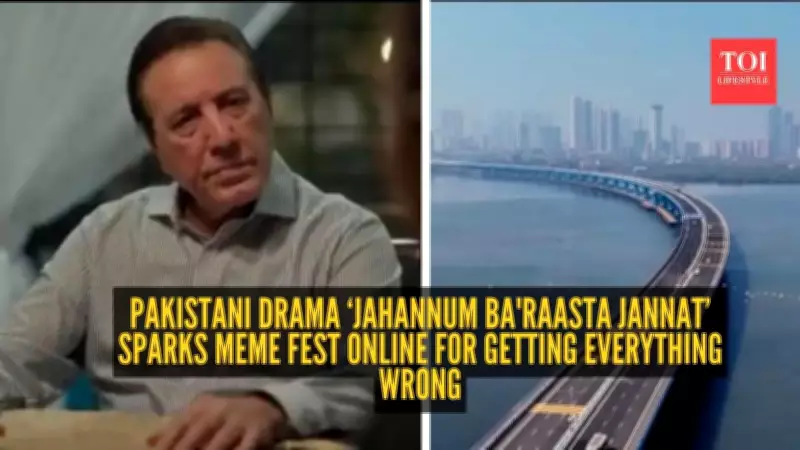
Currently, the Pakistani drama Jahannum Ba'raasta Jannat is garnering significant attention in India. The show premiered on Green Entertainment on March 29 and airs every Sunday at 8 pm. It features a cast including Umer Aalam, Momina Iqbal, Bushra Ansari, and Javed Sheikh, with a storyline that appears to revolve around India-Pakistan espionage themes. Several unintentionally humorous clips from the series have gone viral on Indian social media platforms.
Viewer Criticisms Highlight Language and Production Issues
Online users have been vocal in their reactions to the show, with common points of discussion focusing on dialogue delivery and authenticity. Many viewers note that actors are speaking Urdu while incorporating complex Hindi words that seem unnatural within the scenes. Accents have also been a point of contention, with critics arguing that the characters do not convincingly portray Indians.
Beyond language concerns, the overall execution has come under scrutiny. Social media posts have highlighted issues with production quality and identified errors in the storyline. One specific detail that has been pointed out involves geographical inaccuracies, such as the drama mistakenly showcasing the Mumbai skyline as the New Delhi headquarters of RAW, which some argue undermines the show's credibility.
Familiar Actor Javed Sheikh Adds to Viewer Curiosity
Javed Sheikh, who plays a RAW director in the series, is a recognizable figure for Indian audiences due to his roles in Bollywood films like Om Shanti Om and Namastey London. His involvement has piqued further interest among viewers engaging with the viral content.
Ongoing Cross-Border Cultural Dialogue
Presently, Jahannum Ba'raasta Jannat is being widely discussed, particularly in India. While some are watching out of sheer curiosity, many are actively sharing their critiques and opinions. With Dhurandhar still part of the conversation, this cross-border dialogue concerning films and television shows shows no signs of abating in the near future.
Disclaimer: This article is based on viral social media clips, user reactions, and publicly available information. The authenticity, context, and intent of the content have not been independently verified. The views expressed are those of social media users and do not necessarily reflect the views of the publication.