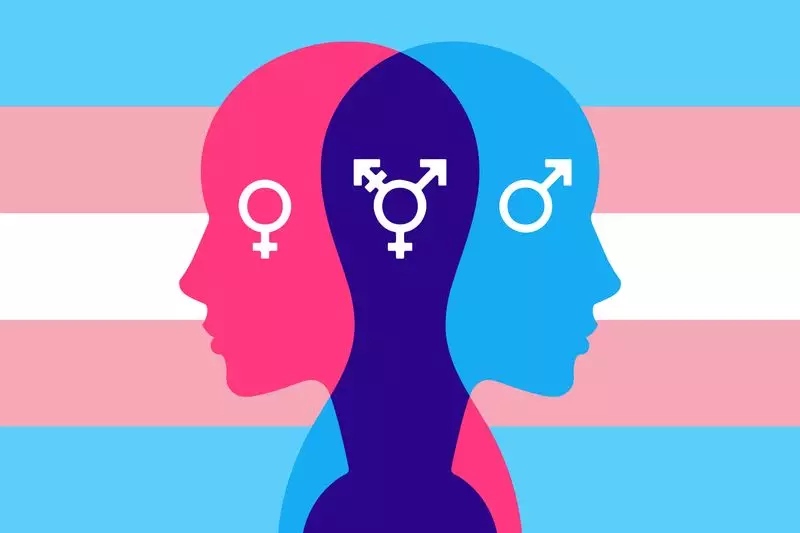
Beyond Binaries: Unpacking the Complexities of Sex and Gender
In the realm of sociology, the concepts of sex and gender are often conflated, yet they represent distinct and nuanced dimensions of human identity. This article delves into the clear distinctions between these terms, exploring their foundational definitions, societal implications, and relevance in academic and professional contexts such as literature and civil services examinations.
Defining Sex and Gender: A Sociological Perspective
Sex refers to the biological and physiological characteristics that define humans as male, female, or intersex. These attributes are typically determined by chromosomes, hormones, and reproductive anatomy, and are often viewed as binary in nature. In contrast, gender encompasses the social, cultural, and psychological roles, behaviors, and identities associated with being masculine, feminine, or non-binary. Gender is a social construct that varies across cultures and historical periods, shaped by societal norms and expectations rather than biological determinism.
The common misconception of using sex and gender interchangeably stems from a lack of awareness about these sociological distinctions. By clarifying these terms, we can better understand human diversity and the complexities of identity formation.

Relevance in Literature and Civil Services
In literature, the exploration of sex and gender themes has been pivotal in challenging stereotypes and reflecting societal changes. Authors often use characters and narratives to critique gender roles, highlight issues of identity, and advocate for equality. Understanding these concepts enriches literary analysis and fosters a deeper appreciation of works that address gender dynamics.
For civil services aspirants, particularly in exams like the UPSC, a firm grasp of sex and gender distinctions is crucial. Questions on sociology, governance, and social issues frequently touch upon these topics, requiring candidates to analyze policies, laws, and societal trends through a gender-sensitive lens. Mastery of these concepts can enhance answers in papers on ethics, social justice, and human rights, demonstrating a comprehensive understanding of contemporary issues.
This article, inspired by insights from Chandigarh, aims to provide a thorough breakdown that not only clarifies these terms but also underscores their importance in academic and professional spheres. By moving beyond binary perspectives, we can foster a more inclusive and informed society.