Female Students at Pune University Express Grave Safety Concerns Over Nighttime Harassment
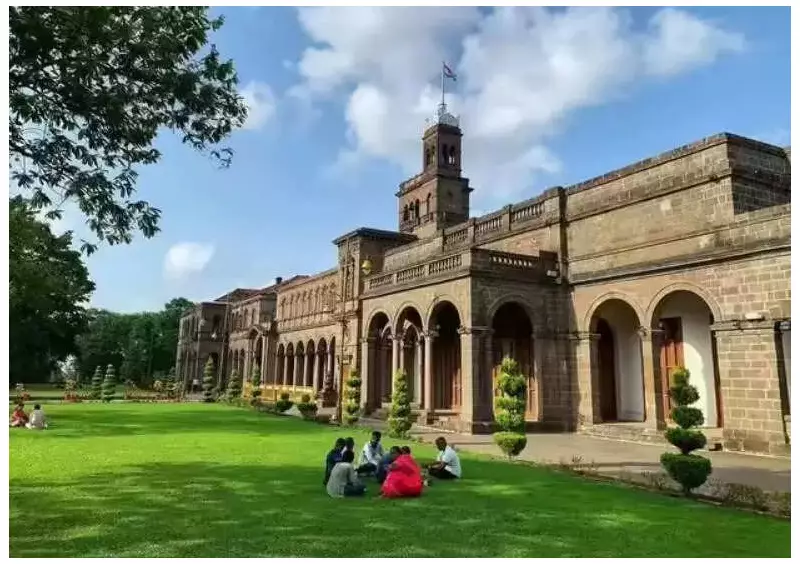
Residents of the girls' hostel at Savitribai Phule Pune University (SPPU) have come forward with alarming accounts of feeling persistently unsafe and experiencing harassment during nighttime hours on the campus grounds. While physical assaults have not been reported, the psychological toll of intimidating behaviors is significant and pervasive.
A Pattern of Intimidation and Fear
The students describe a disturbing routine of encounters that leave them feeling vulnerable. Common experiences include being followed by unknown men, subjected to indecent and prolonged staring, hearing the aggressive revving of motorcycles, and witnessing vehicles repeatedly circling areas where they are present. Many of the young women believe these acts of harassment are perpetrated by individuals from outside the university community, taking advantage of the state university's policy of keeping its campus open to the general public.
"Despite the frequency of such encounters, girls don't report because reporting harassment in the past led to hostel authorities or security questioning why they were outside at night," explained Nidhi Narang, a first-year MA student. "They advise us to sit inside the hostel instead of addressing the behaviour of the men involved. We have a strict in-time of 10.30pm but boys face no such restriction. Even an uncomfortable stare is harassment, but the authorities don't see it that way."

Narang added that a widespread fear exists among the student body that lodging formal complaints would only result in stricter curfews or further restrictions on their mobility, rather than solutions targeting the perpetrators.
Security Response and Student Distrust
Although SPPU has established a dedicated helpline for reporting safety issues, students indicate that awareness about this resource is critically low, and trust in the institutional response system remains limited. When contacted for comment, Suresh Bhosale, the director of security at SPPU, stated that the security team does not engage in moral policing and clarified that they have not received any formal complaints from the students regarding these specific incidents.
"Men are not allowed to linger in a 100-meter radius from the girls' hostel. Secondly, security guards take rounds around the campus," Bhosale said. "When we see boys and girls sitting at the public bus stand for 2-3 hours, we ask them why they are sitting there, as it is not a place to loiter. Popularising the security helpline is the hostel administration's duty."
Seeking Safety in Lit Spaces
Contrary to the security director's perspective on loitering, students provide a different rationale for their presence in public areas like bus stops and canteens after dark. A first-year master's student shared that these are precisely the spaces they seek out because they are well-lit and, consequently, feel safer.
She recounted a recent traumatic incident: "A few days ago, the three of us were sitting at the bus stop after dinner and a guy kept cycling on that road. He was middle-aged and probably not a student, and he kept staring at us. Then, just when we thought he left, he came on a bike with another guy and started doing the same. We were scared, kept thinking what if he attacks us. Then, every time a bike revved, we were afraid that it would be the same man. Finally, we left."
This account underscores the climate of fear and hyper-vigilance that female students are forced to endure. Another student highlighted a critical gap in institutional support, stating they had no knowledge of the helpline numbers or the existence of an internal complaints committee.
"Campuses must be areas where we feel safe, not areas where we are constantly on watch," the student emphasized. "Plus, the guards and administration are such that they will ask us why we were loitering outside after dinner when we could safely stay inside. They restrict girls while allowing boys to roam freely."

The situation presents a complex challenge at SPPU, balancing an open campus policy with the imperative need to ensure a secure and harassment-free environment for all students, particularly women. The students' testimonies call for a more empathetic, proactive, and effective approach from campus authorities to address their legitimate safety concerns.