

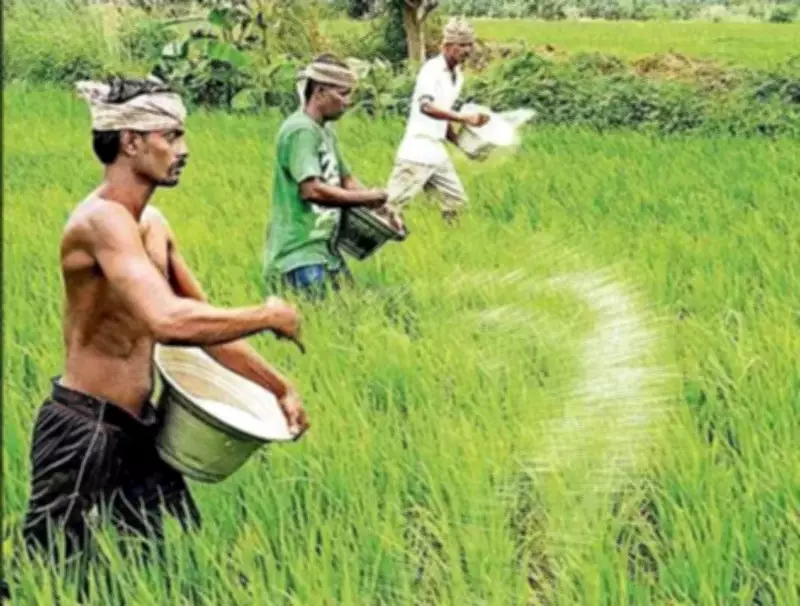
Major Agricultural Initiative Launched in Telangana
In a significant move to revolutionize farming practices across the state, Professor Jayashankar Telangana State Agricultural University (PJTSAU) has announced an ambitious collaboration with the agriculture department. The comprehensive program will train an impressive 30,000 soil health volunteers while directly reaching nearly 2.4 lakh farmers through two distinct initiatives over the coming two months.
Two-Pronged Approach to Agricultural Education
The first program represents a grassroots approach to agricultural knowledge dissemination. Under this initiative, two to three volunteers in each revenue village will receive specialized training in multiple critical areas of soil management. The curriculum will cover comprehensive soil health management techniques, modern testing methodologies, proper utilization of soil health cards, and detailed report preparation procedures.
University Vice-Chancellor Aldas Janaiah elaborated on the implementation strategy, revealing that approximately 200 dedicated teams will be deployed across the state. These teams will consist of university scientists, agricultural students, and experienced agriculture officials who will visit nearly 1,600 villages to actively promote and demonstrate healthy farming practices directly to rural communities.

Direct Farmer Engagement Program
The second initiative, named "Scientists at Farmers' Doorstep," represents a more direct engagement model with the agricultural community. This program is scheduled to run from April 27 to May 25 and will provide hands-on training to an estimated 2.4 lakh farmers throughout Telangana. This face-to-face approach ensures that scientific agricultural knowledge reaches farmers in their local contexts.
Infrastructure and Implementation Framework
Both programs will be systematically implemented through PJTSAU's extensive network of agricultural infrastructure. The university will utilize its 31 established farmer knowledge centers and 15 dedicated research institutes spread across the state to facilitate the training programs. This infrastructure ensures that the initiatives have both the physical locations and institutional support necessary for successful execution.
The trained volunteers will serve as crucial local resource persons within their respective villages, creating a sustainable model for agricultural knowledge dissemination. These volunteers will be responsible for spreading awareness about modern farming techniques, soil conservation methods, and sustainable agricultural practices long after the formal training programs conclude.
Broader Agricultural and Environmental Objectives
The comprehensive initiative addresses multiple critical challenges facing modern agriculture. A primary objective is to significantly curb the excessive and often indiscriminate use of chemical fertilizers that has become prevalent in many farming communities. By promoting sustainable farming alternatives, the program aims to create a more environmentally responsible agricultural sector.
Vice-Chancellor Janaiah emphasized the multifaceted benefits of improved soil health management. "Enhancing soil health will not only substantially increase crop productivity but will also significantly improve food quality and, consequently, human health outcomes," he explained. "Furthermore, this knowledge empowers farmers to make informed decisions about crop selection and encourages much-needed diversification in agricultural production."
Institutional Support and Governance
The agricultural training initiative received formal approval during a governing body meeting chaired by Vice-Chancellor Janaiah on Monday. During this significant meeting, the university also approved its annual budget for the upcoming fiscal year and made key decisions as part of the broader 99-day public governance plan, demonstrating institutional commitment to agricultural development.

This comprehensive approach to agricultural education represents one of the largest coordinated efforts to improve farming practices in Telangana's recent history. By combining volunteer training with direct farmer engagement through established institutional networks, PJTSAU aims to create lasting positive change in the state's agricultural landscape, potentially serving as a model for similar initiatives across India.





