Tragic Third Student Suicide at NIT Kurukshetra Within Three Months
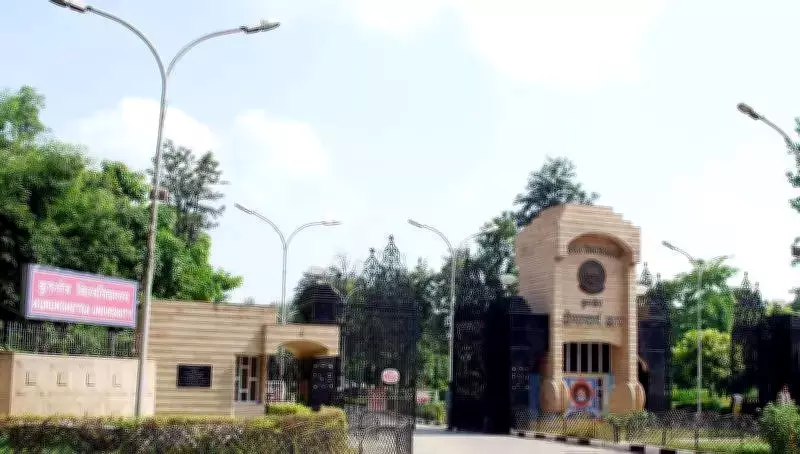
The National Institute of Technology (NIT) Kurukshetra campus has been shaken by yet another devastating loss. On Wednesday night, a third-year civil engineering student was discovered deceased in his hostel room in what authorities are treating as an apparent suicide. This marks the third such heartbreaking incident at the prestigious engineering institute within a span of just three months, raising serious concerns about student welfare and mental health support systems.
Details of the Latest Tragedy
The deceased student has been identified as Priyanshu, a 22-year-old native of Sirsa district in Haryana. According to police reports, a friend discovered Priyanshu hanging in his hostel room and immediately alerted authorities. No suicide note was recovered from the scene, leaving investigators to piece together potential motives from other evidence.
Following standard procedure, Priyanshu's body was transported to LNJP District Civil Hospital in Thanesar for a comprehensive post-mortem examination. After the necessary medical formalities were completed, the remains were respectfully handed over to his grieving family members.

A Disturbing Pattern of Loss
This latest tragedy follows two previous student suicides at NIT Kurukshetra earlier this year. On February 16, Amgot Shiva, a student from Rangareddy district in Telangana, was found dead in his hostel. Just weeks later on April 2, Pawan Kumar, a student from Nuh in Haryana, also allegedly died by suicide in his hostel accommodation.
Police investigations into all three cases remain active and ongoing. Officials have emphasized that the exact reasons behind these extreme steps are still being carefully ascertained through multiple investigative approaches.
Investigative Findings and Suspected Factors
Sources familiar with the investigations have revealed that financial stress emerged as a suspected factor in the earlier two cases. Amgot Shiva was reportedly facing significant financial difficulties, while Pawan Kumar was said to be under considerable financial strain and had developed an addiction to online gaming. Notably, a suicide note was recovered in Pawan's case, though it did not provide a clear, definitive reason for his actions.
Regarding Priyanshu's death, investigators are examining multiple potential angles, including the possibility of personal issues contributing to his tragic decision. The complexity of each case underscores the multifaceted nature of mental health challenges facing students.
Official Police Statements and Forensic Examination
SHO Vishal Kumar of Kurukshetra University police station provided official details about the latest incident. "We received information about a student who died by suicide by hanging," he stated. "The scene-of-crime team visited the spot, and no suspicious circumstances were found. The body has been handed over to the family after post-mortem."
The police official confirmed that all recent suicide cases linked to NIT Kurukshetra are being thoroughly investigated using scientific methods and forensic evidence. "Mobile phones and other electronic devices of the deceased students are being examined by forensic experts," SHO Kumar explained. "Further action will be taken based on their reports."
Institutional Response and Preventive Measures
Reacting to the series of tragic incidents, NIT Kurukshetra's in-charge of public relations, Professor Gian Bhushan, addressed the situation. He noted that the reasons identified so far appeared different in each case, stating, "There is no evidence of academic or institutional pressure in any of these incidents. Police investigations are underway."
In a significant development, Professor Bhushan revealed that on Friday, Tejaswini Anantha Kumar, chairperson of the Board of Governors, engaged directly with students and faculty members. The purpose was to better understand concerns within the student community and explore concrete preventive measures to address mental health challenges.

The institute has decided to implement a comprehensive mentor-mentee programme designed to maintain closer connections with its 5,000-plus student population. Under this initiative, each faculty member will be assigned 20 to 25 students in small mentorship groups. These groups will serve as platforms to regularly assess stress levels, identify early warning signs, and take pre-emptive steps to support struggling students.
Professor Bhushan confirmed that formal instructions to roll out this crucial programme are expected to be issued shortly, representing a proactive institutional response to the recent tragedies.