New UGC Regulations Aim to Eradicate Caste-Based Discrimination in Universities
The University Grants Commission (UGC) has recently unveiled a set of comprehensive rules designed to tackle the persistent issue of caste-based discrimination within India's higher education institutions. These regulations represent a significant step toward creating more inclusive and equitable academic environments across the country.
Key Provisions of the New UGC Guidelines
At the heart of the new framework is a mandatory requirement for all universities and colleges to establish dedicated campus committees. These bodies will be specifically tasked with addressing complaints and systemic issues related to caste discrimination. The committees are expected to function as proactive mechanisms for ensuring fairness and equal opportunity for all students and staff, regardless of their social background.
The rules emphasize the importance of institutional accountability in fostering an atmosphere free from prejudice. Higher education institutions must now implement clear protocols for reporting discrimination, conducting impartial investigations, and delivering timely resolutions to affected individuals. This structured approach aims to move beyond mere policy declarations to actionable measures that can bring about tangible change on the ground.

Growing Opposition to the Regulatory Measures
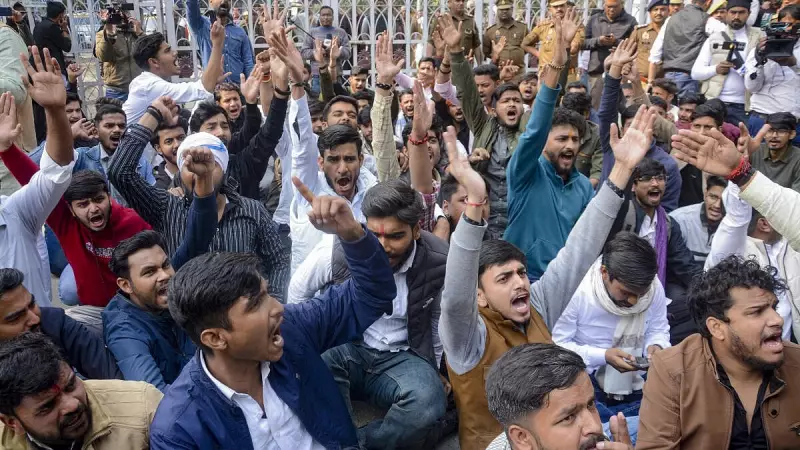
Despite their noble intentions, the new UGC rules have encountered substantial opposition from various quarters. Critics argue that the formation of additional committees may lead to bureaucratic inefficiencies without effectively addressing the root causes of discrimination. Some stakeholders express concern that these measures could inadvertently create divisions within campus communities rather than promoting unity.
Opponents also question the practical implementation of the guidelines, pointing to potential challenges in defining discrimination cases and ensuring consistent enforcement across diverse institutions. There are apprehensions that without proper training and resources, the campus committees might struggle to fulfill their mandated roles effectively. Furthermore, some academic leaders have raised objections about the perceived top-down imposition of these regulations, advocating instead for more consultative approaches that consider institutional autonomy.
The Broader Context of Equity in Indian Education
The introduction of these rules occurs against a backdrop of ongoing efforts to democratize higher education in India. Caste-based disparities have long been recognized as a significant barrier to academic achievement and social mobility. The UGC's initiative reflects a growing recognition that formal policies must be complemented by dedicated institutional mechanisms to combat deep-seated social prejudices.
Educational experts note that while previous measures have focused on reservation policies and admission quotas, these new rules represent a shift toward addressing the qualitative aspects of campus life. The emphasis on creating responsive grievance redressal systems acknowledges that discrimination often manifests in subtle ways that require sensitive handling and institutional commitment to resolution.
As the debate continues, the effectiveness of these UGC regulations will likely depend on their implementation across India's vast and varied higher education landscape. The coming months will reveal whether these campus committees can become genuine instruments of change or whether modifications will be necessary to address the concerns raised by opponents of the current framework.