

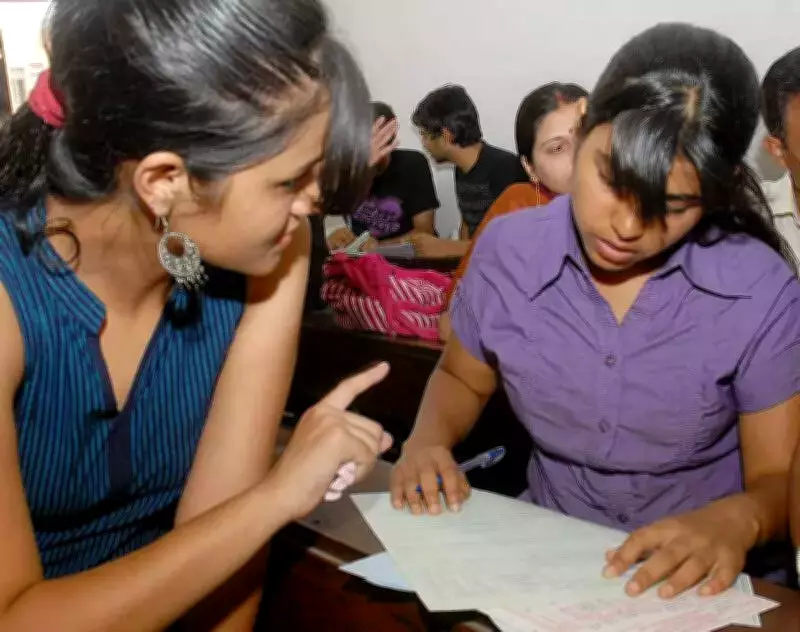
Uttar Pradesh Government Unveils Comprehensive Student Mental Health Initiative
In a landmark move to address escalating stress and mental health challenges among students, the Uttar Pradesh government has announced the implementation of a dedicated counseling system across all higher education institutions throughout the state. This ambitious initiative represents a significant investment in student wellbeing, with a budgetary allocation of Rs 34 crore to ensure its successful rollout.
Systematic Implementation Across Educational Institutions
The groundbreaking policy mandates the appointment of one qualified counselor for every 100 students, creating a robust support network within academic environments. The implementation will occur in carefully planned phases, beginning with 216 government colleges and 330 government-aided colleges across Uttar Pradesh. Following this initial deployment, the counseling facilities will be systematically extended to include unaided private institutions, ensuring comprehensive coverage throughout the state's higher education landscape.
Counselors will receive fixed honorariums to guarantee consistent, professional psychological support for students. This structured approach follows compliance with the Supreme Court's directive in the Sukdev Saha versus State of Andhra Pradesh case (2025), which explicitly required educational institutions to provide certified counselors, psychologists, or external mental health experts for student populations.

Comprehensive Support Framework and Confidential Reporting
Higher Education Director BL Sharma elaborated on the policy's multifaceted objectives, stating: "Our primary aim is to safeguard and actively promote students' mental wellbeing while cultivating a dignified, supportive academic atmosphere. We envision creating safe, inclusive, and stress-free environments where students can develop into confident, self-reliant, and positive individuals prepared for life's challenges."
The system will establish confidential channels specifically designed for reporting sensitive campus issues including harassment, discrimination, ragging incidents, sexual violence, and insensitive behavior. These mechanisms will operate alongside strengthened co-curricular activities, enhanced career counseling services, and personality development programs specifically designed to build student confidence and resilience.
Institutional Requirements and Safety Enhancements
All participating institutions must prominently display written protocols detailing emergency mental health services, hospital referral procedures, and suicide-prevention helplines such as Tele-MANAS. These informational materials will be strategically placed in classrooms, hostels, common campus areas, and institutional websites to ensure maximum visibility and accessibility.
The policy further mandates at least two annual mental health training sessions for both teaching and non-teaching staff, covering essential topics including psychological first aid and early identification of distress warning signs. Physical safety enhancements will include monitoring systems for harassment and drug abuse, installation of tamper-proof fans, and restricted access to potentially hazardous areas like rooftops and balconies.
Inclusive Approach and Parental Involvement
Special consideration will be given to students from Scheduled Castes, Scheduled Tribes, Other Backward Classes, divyang communities, and other vulnerable groups. The initiative emphasizes creating non-discriminatory campuses with effectively functioning internal complaints committees and anti-ragging cells.
The policy extends beyond campus boundaries to include awareness programs for parents, focusing on mental health literacy and life-skills education. These initiatives aim to help families better understand emotional distress patterns and avoid placing undue academic pressure on students.

Addressing National Mental Health Challenges
Senior mental wellness coach Subroto Biswas contextualized the initiative's importance, noting: "India currently faces concerning mental health awareness gaps, reflected in our country ranking first globally in youth suicide rates among the 15-30 age demographic. By integrating academic excellence with comprehensive emotional support systems, this government initiative seeks to nurture not merely successful students, but healthy, confident, and resilient individuals equipped to navigate modern life's complexities."
The directorate of higher education has already commenced preparations for system implementation following the Supreme Court directive. This comprehensive approach represents a paradigm shift in how educational institutions address student mental health, combining professional support, institutional accountability, and community involvement to create healthier academic ecosystems throughout Uttar Pradesh.





