American Universities Face Ranking Decline as Chinese Institutions Rise
For decades, the American dream included studying at top US universities. Many people worldwide aimed to enroll in prestigious American colleges. They saw these schools as the best in the world. After graduation, they often found jobs and built careers in the United States. Education became a key part of America's global influence.
Now, that picture is changing dramatically. Recent reports show American universities slipping in international rankings. At the same time, Chinese institutions are climbing higher.
Shocking Ranking Changes Revealed
A New York Times report examined ratings from the Middle East Technical University. The findings surprised many observers. Harvard University keeps third place for academic performance. Stanford remains the only other American college in the top ten.

Who leads the list? Chinese universities now dominate the top positions. Zhejiang University in China holds first place according to the Leiden Rankings. These rankings come from the Centre for Science and Technology Studies at Leiden University in the Netherlands.
Harvard still produces highly-cited scientific publications. Yet seven Chinese schools join it in the top ten for research output.
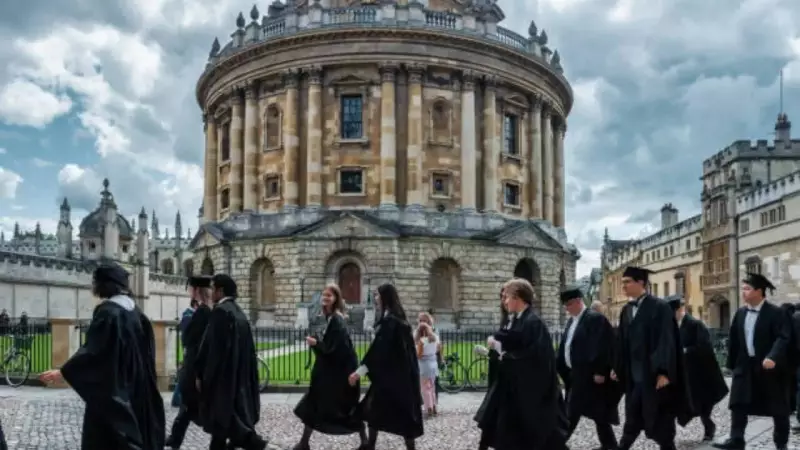
Another ranking from Times Higher Education in Britain places Oxford University first. MIT, Princeton, Cambridge, Harvard, and Stanford fill the next spots. But looking further down the list reveals troubling trends for American education.
Sixty-two American schools dropped in rank compared to last year. Meanwhile, two Beijing universities made impressive gains. Peking University jumped from 42nd to 12th position. Tsinghua University rose from 47th to 13th place.
Notable American Universities Experience Steep Falls
Several well-known US institutions saw significant ranking declines:
- Duke University fell from 20th to 28th position
- Emory University dropped from 85th to 102nd place
- Notre Dame plummeted from 108th to 194th rank
What Caused This Sudden Shift?
Experts point to multiple factors behind the ranking changes. The Trump administration cut millions in research funding to American universities. Many schools relied heavily on federal government support for scientific work.
These policies did not start the decline of American higher education. However, they likely accelerated the existing trend. The New York Times report emphasizes this point.
Rafael Reif, former president of MIT, commented on the situation in a 2025 podcast. He noted the outstanding quantity and quality of research papers from China. Reif stated Chinese output "dwarfs" what American institutions produce.
Travel restrictions and deportation efforts created additional problems. These measures discouraged applications from talented international students. Bright minds worldwide now think twice about studying in America.
The numbers tell a clear story. International student arrivals dropped nineteen percent from 2024 to 2025. This decline hurts both the prestige and finances of American universities.
China Invests Heavily in Higher Education
China has poured billions of dollars into its university system. The country makes its institutions attractive to foreign researchers. In fall 2025, China began offering special visas to graduates of top science and technology programs. These visas allow visits for study or business purposes.
President Xi Jinping highlighted the importance of education in a 2024 speech. He connected scientific advancement with competition between superpowers. The Chinese administration clearly focuses on strengthening its education sector.
Globally, many now see China as America's main competitor for dominance. The education field represents another area where this rivalry plays out. Lucrative international student markets and research prestige are at stake.
The American dream of studying at top US universities faces new challenges. As Chinese institutions rise, American schools must adapt to changing global education landscapes.