

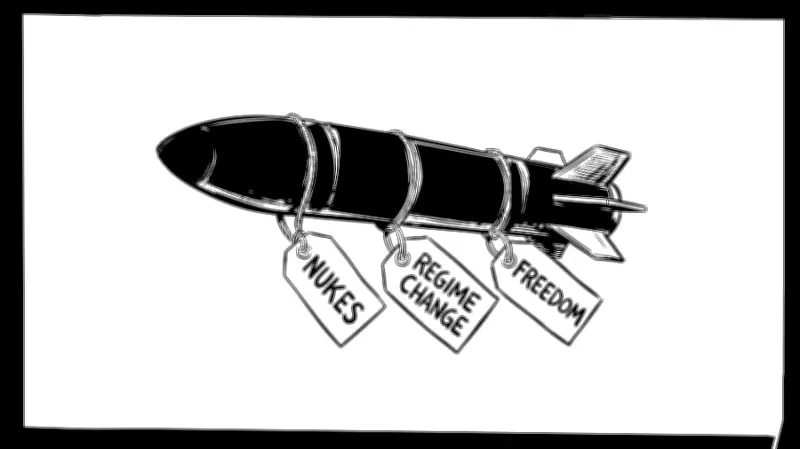
The Hidden Costs of America's Unpredictable Military Strategy
In a detailed analysis, retired Lieutenant General Harinder Singh examines the profound implications of America's whimsical approach to warfare, highlighting how unclear objectives, a resilient Iran, and the looming threat of regional escalation could significantly prolong ongoing conflicts. This strategic assessment, dated March 13, 2026, underscores the complex challenges facing U.S. military operations in volatile regions.
Unclear Objectives and Strategic Ambiguity
The primary concern raised is the lack of clearly defined goals in America's military engagements. Without precise objectives, operations risk becoming open-ended, draining resources and eroding public support. This ambiguity complicates decision-making processes and hampers effective coordination with allied forces, potentially leading to mission creep and unintended consequences.
Iran's Resilience and Regional Dynamics
Iran's ability to withstand pressure and adapt to changing circumstances poses a significant obstacle. The nation's strategic depth and proxy networks enable it to counter U.S. initiatives effectively, making military solutions less viable. This resilience not only prolongs conflicts but also increases the likelihood of stalemates, where neither side achieves decisive victory.

Threat of Regional Escalation
The analysis warns that America's actions could trigger broader regional instability. Escalation risks include:
- Spillover effects into neighboring countries
- Increased involvement of non-state actors
- Potential for large-scale humanitarian crises
Such escalation would complicate diplomatic efforts and require substantial international intervention to manage.
Economic and Strategic Implications
Prolonged conflict imposes heavy costs, both economically and strategically. Financial burdens from sustained military operations strain national budgets, while strategic overextension diverts attention from other global priorities. This scenario necessitates a reevaluation of America's approach to ensure more sustainable and effective outcomes in future engagements.






