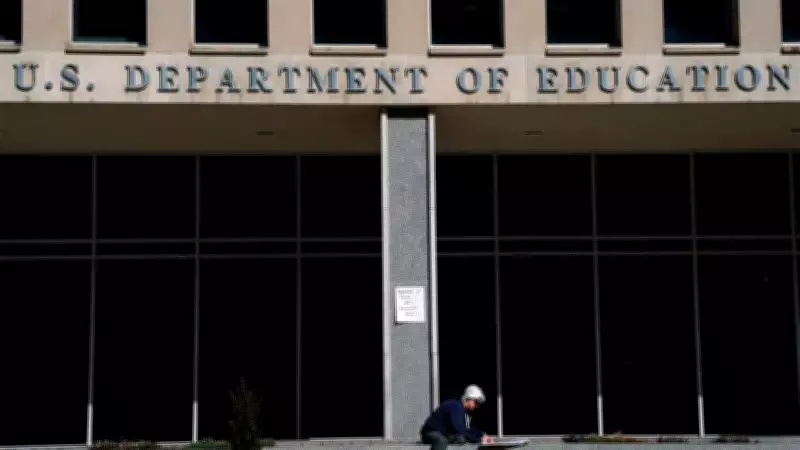
US Education Department Reports Major DEI Policy Shifts in Higher Education Institutions
The US Department of Education has detailed significant policy changes occurring across higher education institutions nationwide. According to the department's recent release, universities are actively modifying their approaches to diversity, equity, and inclusion (DEI), along with admissions processes, hiring practices, and student engagement initiatives.
These transformations represent a broader policy direction under the current administration, emphasizing what officials describe as merit-based systems and institutional restructuring. The department's report indicates this represents a substantial shift in how American universities approach campus governance and programming.
Universities Scale Back DEI Policies and Structures
The Department of Education reported that more than 300 colleges and universities have taken concrete steps to reduce or eliminate DEI-related requirements and frameworks. These actions represent a significant departure from previous approaches to campus diversity initiatives.

Specific institutional changes include:
- Closure or restructuring of DEI offices at over 175 institutions
- Removal of diversity statements from hiring processes at at least 15 institutions
- Changes to faculty and staff roles linked to DEI at nearly 95 institutions
- Removal of DEI messaging from programs and official platforms at over 45 institutions
Prominent institutions cited in the department's release include Harvard University, Stanford University, University of Michigan – Ann Arbor, University of Pennsylvania, and the University of California System. These universities represent some of the nation's most influential higher education institutions implementing these policy changes.
Changes to Hiring, Scholarships, and Student Programs
The department's report also highlighted revisions in hiring and scholarship frameworks across multiple institutions. According to the findings, some universities have discontinued the use of diversity statements in faculty recruitment processes, shifting instead toward merit-based evaluation criteria that prioritize academic qualifications and professional achievements.
Additionally, the College Board has revised its National Recognition Program criteria, removing race-based considerations and focusing more directly on academic performance metrics. This change affects how students are recognized for their achievements in college preparatory programs.
The department noted that at least 31 institutions have ended partnerships with the PhD Project, citing compliance with federal civil rights law as their primary motivation. These decisions reflect growing institutional attention to legal interpretations of civil rights legislation in educational contexts.
Affinity Ceremonies Discontinued at Select Institutions
Several universities have discontinued affinity-based graduation ceremonies in recent academic cycles, according to the Department of Education's release. These ceremonies, which traditionally recognized students from specific racial, ethnic, or cultural backgrounds, are being phased out at institutions including the University of Notre Dame, Virginia Tech, and Wichita State University.
The discontinuation of these ceremonies represents another dimension of the broader policy shifts occurring across American higher education, affecting how institutions recognize and celebrate student diversity during commencement events.
Policy Framing and Institutional Impact
The Department of Education characterized these developments as part of a comprehensive shift in higher education governance. This transformation includes substantial changes in admissions processes, hiring practices, and campus programming across the nation's college and university systems.
According to the department's analysis, institutions are actively aligning their policies with federal guidelines and evolving legal interpretations related to civil rights and merit-based evaluation systems. This alignment represents a significant reorientation of institutional priorities and operational frameworks in American higher education.

The scale of these changes suggests they will have lasting impacts on how universities approach diversity initiatives, faculty recruitment, student programming, and institutional identity in the coming years. As more institutions implement similar policy adjustments, the landscape of American higher education continues to evolve in response to changing federal guidance and legal interpretations.