Education experts from Chennai have sounded a strong warning about a critical omission in the newly introduced Vikshit Bharat Shiksha Aadhishthan Bill. Their primary concern is the bill's apparent lack of a clear funding provision for state universities, a move they fear could severely handicap public higher education across India.
Centralised Power, Missing Funds
The proposed legislation, introduced in Parliament, aims to create a single, overarching authority for higher education. This new body would replace legacy regulators including the University Grants Commission (UGC), the All India Council for Technical Education (AICTE), and the National Council for Teacher Education (NCTE). While the bill outlines separate verticals for regulation, accreditation, standard-setting, and funding, academics point out that the financial model for state universities remains conspicuously absent.
Senior academician S P Thyagarajan stated that this gap would be discouraging for state governments and Union territories. He warned it could lead to the Union government expecting states to bear the full expenditure for higher education. "The bill does not give power or autonomy to the proposed four councils. This will lead to the centralisation of powers in higher education," Thyagarajan added. He proposed an alternative: a higher education coordination council modelled on the GST council, with representation from all states and UTs, to ensure a collaborative approach.

Threat to State University Growth and NEP 2020
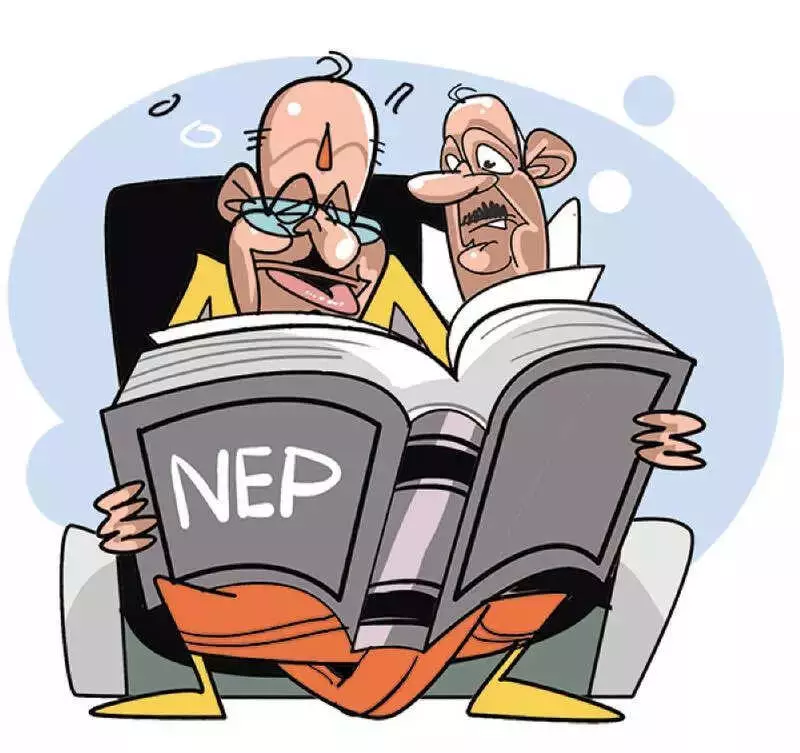
Thyagarajan further cautioned that the current form of the bill could result in a "patchy implementation of the National Education Policy 2020." This sentiment is echoed by other veterans in the field who highlight the historical role of UGC funding.
P Duraisamy, former Vice-Chancellor of the University of Madras, explained that UGC grants were vital for state universities to appoint new faculty, provide travel grants, and initiate new projects. "State universities flourished due to this funding," he said. "The new bill, however, has no mention of funding state universities. State govts do not have enough resources to fund research in higher educational institutions." He urged the Union government to continue the existing UGC funding system through an alternative arrangement within the new framework.
Feasibility and Affordability Concerns
The concept of a single regulator for diverse fields like teacher education, engineering, and general higher education itself has been questioned. G Visvanathan, former Vice-Chancellor of the Tamil Nadu Teacher Education University, called the idea unfeasible.
A major fear stemming from the funding vacuum is the potential shift of the financial burden onto students and institutions. Visvanathan issued a stark warning: "Asking universities to generate their own funds will make education unaffordable." This could reverse decades of progress in making higher education accessible and undermine the research ecosystem that has been nurtured with central grants.
The collective apprehension from these educationists presents a significant challenge for policymakers. They argue that for the Vikshit Bharat Shiksha Aadhishthan Bill to truly revolutionize Indian higher education, it must address the financial sustainability of state universities and avoid excessive centralization of power.