

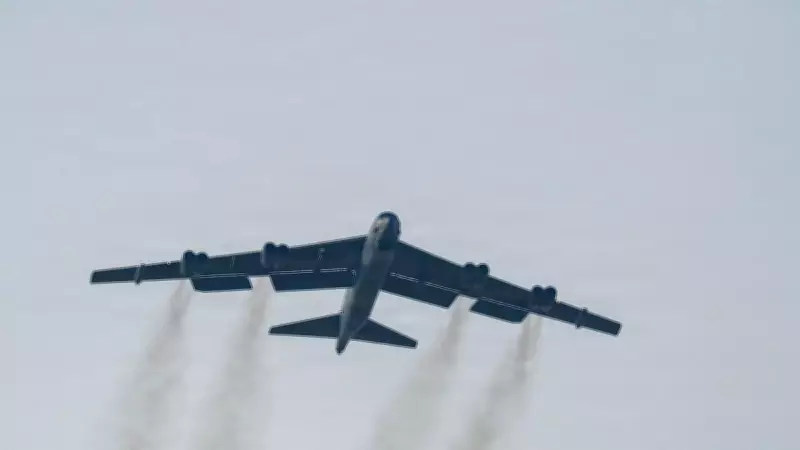
US Military Aircraft Crashes in Iraq; Iran-Backed Group Claims Responsibility
In a significant development in the ongoing West Asia conflict, a US military aircraft has crashed in friendly airspace in Iraq. The incident, which occurred under unclear circumstances, has been swiftly claimed by an Iran-backed Iraqi group, raising immediate concerns about escalating regional tensions and potential retaliatory actions.
Details of the Aircraft Crash
The crash involved a US military aircraft operating within what is designated as friendly airspace in Iraq. Initial reports indicate the aircraft went down in an area where US and allied forces maintain a presence, though specific details regarding the type of aircraft, the exact location, and the number of personnel on board remain unconfirmed at this time. Military officials are actively investigating the cause of the crash, with possibilities ranging from mechanical failure to hostile action.
Claim of Responsibility by Iran-Backed Group
Shortly after the crash, an Iran-backed Iraqi group stepped forward to claim responsibility for the incident. This group, which has ties to Iranian military and political interests in the region, asserted that it targeted the aircraft as part of its operations against US forces in Iraq. The claim, if verified, could mark a direct challenge to US military operations and heighten the already volatile situation in West Asia.

Implications for the West Asia Conflict
This event occurs against the backdrop of heightened tensions in West Asia, where conflicts involving various state and non-state actors have been ongoing. The crash and the subsequent claim by an Iran-backed group could potentially:
- Increase Military Confrontations: Lead to escalated military responses from the US and its allies, possibly involving airstrikes or other retaliatory measures.
- Strain Diplomatic Relations: Further complicate diplomatic efforts between the US, Iran, and Iraq, impacting regional stability and international negotiations.
- Impact Security Dynamics: Alter the security landscape in Iraq, where US forces have been involved in counter-terrorism and training missions, potentially necessitating a reassessment of military strategies.
Response from US and Regional Authorities
US military officials have acknowledged the crash and are conducting a thorough investigation to determine the exact cause. They have emphasized the importance of maintaining security in the region and are coordinating with Iraqi authorities to assess the situation. Meanwhile, regional stakeholders, including the Iraqi government, are monitoring developments closely, as the incident could have significant repercussions for internal security and foreign relations.
As the investigation unfolds, the international community is watching closely, with concerns that this incident could exacerbate existing conflicts and lead to broader instability in West Asia. The claim by the Iran-backed group adds a layer of complexity, highlighting the ongoing proxy dynamics and the challenges of maintaining peace in a region fraught with geopolitical rivalries.






