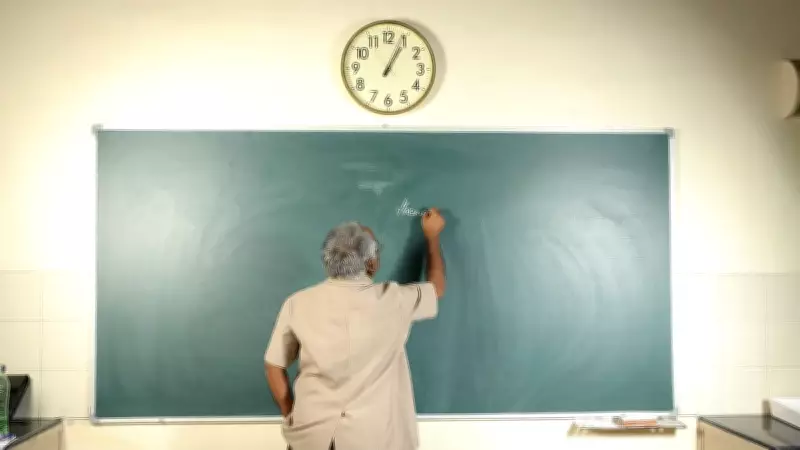
In the realm of education, the adage 'good teaching is invisible' often rings true. Despite the profound impact that skilled educators have on students' lives, their efforts frequently go unnoticed. This article delves into the underlying reasons why exemplary teaching fails to receive the recognition it deserves and proposes ways to address this oversight.
The Nature of Teaching
Teaching is a complex profession that involves not just the transfer of knowledge but also the nurturing of critical thinking, creativity, and character. However, much of this work happens behind the scenes. Unlike other professions where outcomes are immediately visible, the fruits of teaching often manifest years later, making it difficult to attribute success directly to a particular teacher.
Systemic Challenges
Educational systems worldwide often prioritize standardized test scores and administrative compliance over innovative and engaging teaching methods. This focus can overshadow teachers who go beyond the curriculum to inspire their students. Additionally, the lack of robust evaluation mechanisms means that exceptional teaching is rarely identified or rewarded.

Cultural Factors
In many cultures, teaching is undervalued compared to other professions. This societal perception influences how teachers are compensated and respected. The media and public discourse frequently highlight negative stories about education, further diminishing the recognition of positive contributions.
The Impact of Unrecognized Teaching
When good teaching goes unnoticed, it can demoralize educators and lead to burnout. Talented individuals may leave the profession, exacerbating teacher shortages. Students also suffer, as they miss out on the benefits of being taught by motivated and skilled teachers. Recognizing excellence in teaching is crucial for maintaining high educational standards.
Pathways to Recognition
To address this issue, schools and policymakers can implement several strategies. Establishing awards and public acknowledgment programs for teachers can highlight exemplary practices. Peer observation and feedback systems can also help identify effective teaching methods. Moreover, involving parents and the community in appreciating teachers' efforts can foster a culture of respect.
Leveraging Technology
Digital platforms can be used to showcase teaching innovations and success stories. Social media campaigns and educational blogs can amplify the voices of exceptional teachers, allowing their methods to be shared and celebrated widely.
Conclusion
Good teaching remains unnoticed due to a combination of systemic, cultural, and perceptual factors. By consciously working to recognize and celebrate effective educators, we can improve teacher morale, retain talent, and ultimately enhance student learning outcomes. It is time to shine a light on the invisible art of teaching.