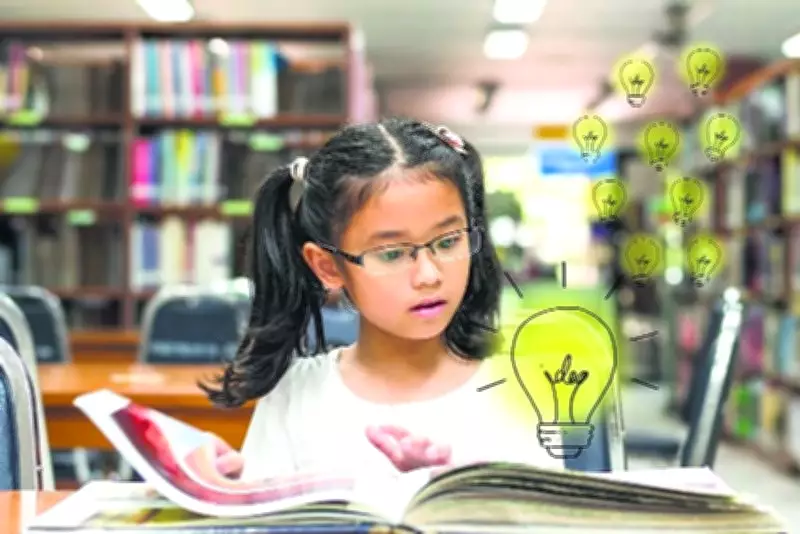
Design thinking for children should begin as early as age 4, according to Amit Kumar, founder of Crazinos. In a recent article, Kumar argues that hands-on creation and play are far more effective than passive observation in sparking a child's curiosity and innovative spirit.
Hands-On Learning Ignites Real Curiosity
Kumar emphasizes that no amount of technology can replace the magic of doing. Showing a child a 4K video of a science experiment may elicit a "wow," but giving them the ingredients to build, mess up, and fail is when the real spark ignites. He notes that connecting with millions of children across India has shown him that kids are not passive spectators; they are natural creators who want to live the experiment, not just watch it.
Design Thinking Begins with a Broken Toy
Design thinking starts unintentionally. A child handed a broken toy or building materials will examine its structure, understand its material, and often get frustrated without instructions. Yet, this frustration is the birthplace of curiosity. Kumar points out the irony: children are born as natural design thinkers, but the education system spends the next 14 years training it out of them.

Playtime as Innovation Practice
Kumar illustrates with a simple challenge: ask a child to build a house for a sad teddy bear using an old shoebox, tape, and crayons. The child naturally empathizes with the bear, brainstorms ideas, builds a messy prototype, and tests if the bear fits. To an outsider, it looks like play, but the child is mastering a world-class innovation methodology.
The Counterintuitive Role of Parents
Design thinking at this age does not require expensive kits or special schools. It requires parents to do something counterintuitive: let children break things, make things, and figure out why things happen. Parents should ask the right questions to fuel curiosity rather than provide answers.
A Lens for the Future
Kumar concludes that design thinking is not an extra subject to cram into a school timetable. It is a lens to look at the world. The earlier a child learns to see the world as something they can actively shape rather than memorize, the better prepared they will be for the future.