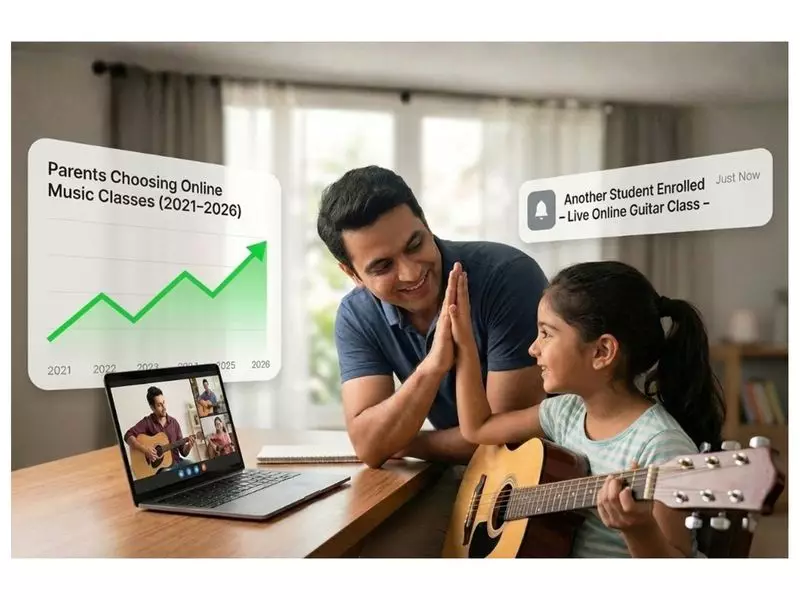
A significant shift is underway in how Indian children learn music. In 2026, more parents than ever are bypassing traditional, in-person tutors and music schools in favor of structured online music classes for their kids. This trend, accelerated by past global events and sustained by technological advancement, is reshaping the landscape of extracurricular education across the country.
The Driving Forces Behind the Digital Shift
Several compelling factors are fueling the rise of online music education. Foremost is the unparalleled convenience and flexibility it offers to busy families. Parents no longer need to navigate traffic for drop-offs and pickups. Lessons can be scheduled around school and other activities, saving valuable time and reducing daily stress. This flexibility is particularly crucial in metropolitan areas where commuting can be a major hurdle.
Safety remains a paramount concern for many families. The ability for a child to learn from the safety and comfort of home provides immense peace of mind to parents, especially for younger children. This secure environment allows kids to focus better without the anxieties of traveling to a new place.

Furthermore, the digital model demolishes geographical barriers. Parents are no longer limited to the teachers available in their immediate locality. They can now connect their children with renowned and specialized music instructors from across India or even globally. Whether it's a specific genre like jazz piano, a rare instrument, or a sought-after teaching methodology, online platforms provide access that was previously unimaginable in many towns and cities.
How Technology Enhances the Learning Experience
Modern online music classes are a far cry from simple video calls. Platforms have evolved to incorporate interactive tools that make learning engaging and effective for children. Features like digital sheet music, interactive games for rhythm and note recognition, and real-time feedback on pitch are commonly used. Many apps allow recording and playback, enabling students to review their practice sessions and track their progress over time.
These technological integrations cater to the digital-native generation, making practice feel less like a chore and more like an enjoyable activity. The use of screen sharing ensures the teacher can clearly demonstrate finger placements, bowing techniques, or complex musical notations, creating a near-immersive learning experience.
The Parental Perspective: Value and Progress
From a parental viewpoint, online classes often present a more transparent and value-driven proposition. Many services offer structured curricula, regular progress reports, and recorded sessions that parents can review. This transparency helps parents stay involved in their child's musical journey. The cost-effectiveness is another significant draw, as online lessons can be more affordable than hiring a premium private tutor for home visits, while still offering high-quality instruction.
Parents also appreciate the reduction in logistical complexity. There's no need to prepare a child to go out, and lessons can happen even if a child is mildly unwell or the weather is bad. The home environment can also be less intimidating for shy children, encouraging them to participate more freely.
As we move through 2026, the trend towards online music education for children shows no signs of slowing. It represents a broader acceptance of digital learning solutions for skill development. While traditional methods retain their charm and value for some, the convenience, safety, access, and technological edge of online platforms are convincing a growing majority of Indian parents to log in for their child's next music lesson. This evolution promises to make quality musical education more democratic and accessible to children across the nation.