Basant Panchami Celebrated with Enthusiasm in Schools Nationwide
Schools across India observed Basant Panchami, the festival heralding the arrival of spring, with great zeal and traditional fervor. This annual celebration, dedicated to Goddess Saraswati, the deity of knowledge, music, and arts, saw students and teachers participating in various cultural and religious activities. The festivities highlighted the rich cultural heritage of India while promoting educational values and seasonal joy.
Cultural Programs and Saraswati Puja
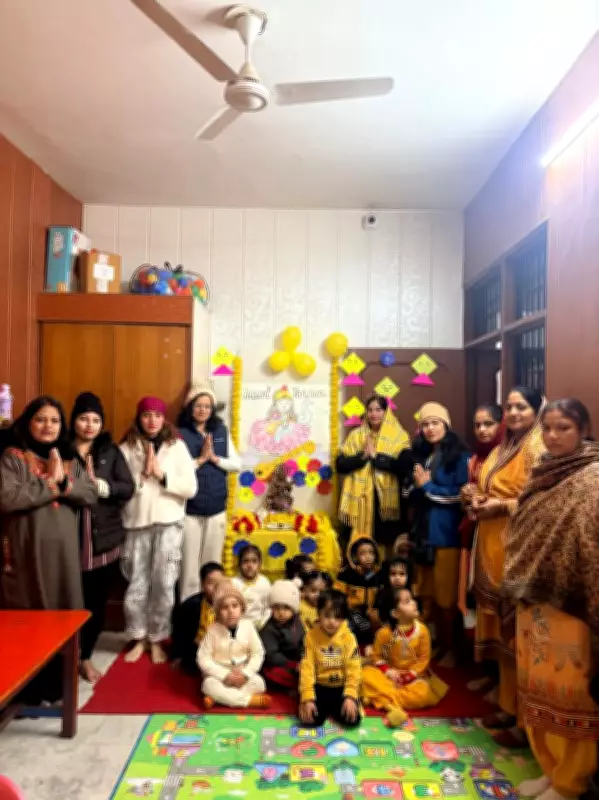
Institutions organized special assemblies where students performed prayers and hymns dedicated to Goddess Saraswati. Many schools conducted Saraswati Puja ceremonies, with students offering flowers, fruits, and sweets to the idol or image of the goddess. Cultural programs included:
- Music and dance performances celebrating spring themes
- Recitation of poems and shlokas in praise of knowledge
- Art competitions focusing on yellow, the traditional color of Basant Panchami
Teachers emphasized the significance of the festival in fostering creativity and learning among students.

Kite Flying and Traditional Attire
A highlight of the celebrations was kite flying, a popular tradition associated with Basant Panchami. Schools arranged kite-flying sessions in open grounds, with students showcasing colorful kites against the clear spring sky. Many students and staff wore yellow attire, symbolizing the blooming mustard fields and the vibrancy of the season. This visual spectacle added to the festive atmosphere, promoting unity and joy among participants.
Educational Significance and Community Involvement
Beyond the festivities, schools used the occasion to educate students about the historical and cultural aspects of Basant Panchami. Discussions and presentations covered:
- The mythological stories related to Goddess Saraswati
- The agricultural importance of spring in Indian traditions
- The festival's role in promoting arts and education
Parents and local communities often joined in the celebrations, strengthening school-community bonds. Some institutions also organized charity drives or environmental awareness campaigns, aligning the festival with social responsibility.
Regional Variations and Modern Adaptations
While the core rituals remained consistent, celebrations varied regionally. In northern India, emphasis was on kite flying and yellow decorations, whereas in eastern regions, Saraswati Puja took center stage with elaborate rituals. Schools incorporated modern elements like digital art displays and online performances, especially in urban areas, to engage tech-savvy students. This blend of tradition and innovation ensured the festival's relevance for younger generations.
The widespread observance of Basant Panchami in schools underscores its enduring importance in Indian culture. By integrating religious reverence with educational activities, institutions successfully created a memorable and enriching experience for students, fostering a deeper appreciation for India's festive diversity.