The Unspoken Conversation After the Parent-Teacher Meeting
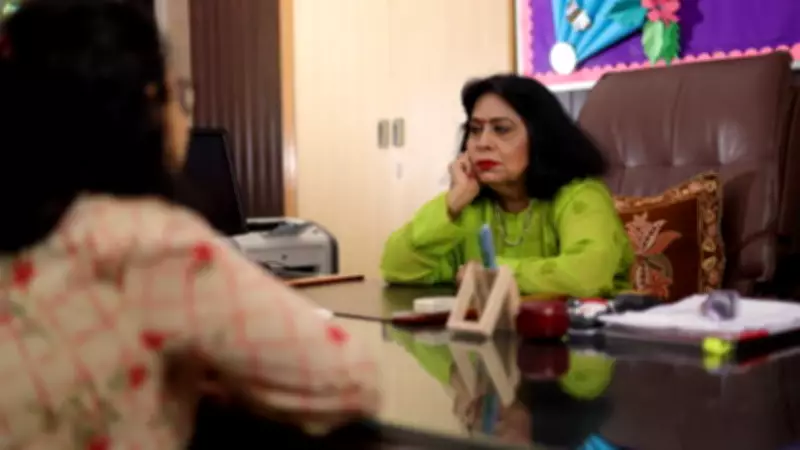
The formal parent-teacher meeting (PTM) concludes within the school walls, but for the child, the experience is far from over. The most significant part often begins immediately afterward—during the walk to the car, the bicycle ride home, or even while exiting the school gate. This transitional period holds immense psychological weight for young learners.
The Anticipated Question and Child's Preparedness
There's almost always that inevitable parental inquiry waiting in the wings: "So... what was that about?" Children typically arrive prepared for this moment. During the actual meeting, while the teacher speaks, children aren't merely passive listeners. They become keen observers, carefully watching their parent's facial expressions and body language, attempting to decipher unspoken reactions.
They ask themselves silent questions: Did my parent agree with the teacher? Did they appear upset or disappointed? Did I notice any shift in their demeanor? By the time the PTM officially ends, most children have already formed a preliminary understanding of how the subsequent conversation might unfold. This post-meeting dialogue frequently carries more emotional significance than the structured meeting itself.

Common Parental Approaches and Their Impact
Many parents instinctively focus on academic performance, questioning lost marks or areas needing improvement. Others prioritize behavioral feedback, addressing classroom conduct or attention issues. While parental intentions are generally positive—aiming to support and foster improvement—the manner in which this conversation occurs critically influences what the child internalizes.
In these vulnerable moments, children aren't just processing words; they're interpreting what the feedback signifies about their identity and worth. When conversations feel accusatory or blaming, children tend to fixate on their mistakes. Conversely, when discussions feel supportive and constructive, they're more likely to remember that growth and improvement are possible.
Transforming the Post-PTM Dialogue
A subtle yet powerful shift in approach can dramatically alter the dynamic. Instead of launching directly into critiques, some parents begin with open-ended questions like, "What do you think about what the teacher shared?" This simple reframing creates psychological space for the child. It encourages them to articulate their perspective, explain situations in their own words, and engage in self-reflection.
Suddenly, the exchange transforms from a one-sided lecture into a collaborative dialogue. The focus shifts from "You need to improve this" to "How might we work on this together?" This shared responsibility model fosters greater engagement. Some children respond openly immediately, while others require time or silence before they feel comfortable sharing. The crucial element is creating an atmosphere where children feel heard rather than judged.
The Power of Balanced Feedback
Another effective strategy involves deliberately acknowledging what went well, not just highlighting areas needing improvement. Comments like "Your teacher mentioned your consistency" or "You've shown real progress here" don't diminish the importance of growth areas. Instead, they make improvement efforts feel more achievable and less daunting.
When feedback becomes exclusively corrective, children may begin associating academic effort with anxiety and pressure, potentially diminishing their intrinsic enjoyment of learning. Teachers provide PTM feedback hoping to facilitate student development, but the post-meeting interaction ultimately determines how that feedback is received and internalized.
The Lasting Emotional Imprint
For some children, the journey home feels burdensome and heavy. For others, it feels manageable and even constructive. This divergence rarely stems from what the teacher communicated during the meeting. Rather, it emerges from how parents choose to engage afterward. Children may not recall the precise words spoken during the PTM, but they will remember—often for years—how they felt in its aftermath. The emotional residue of these conversations can significantly influence their academic self-concept and relationship with learning.