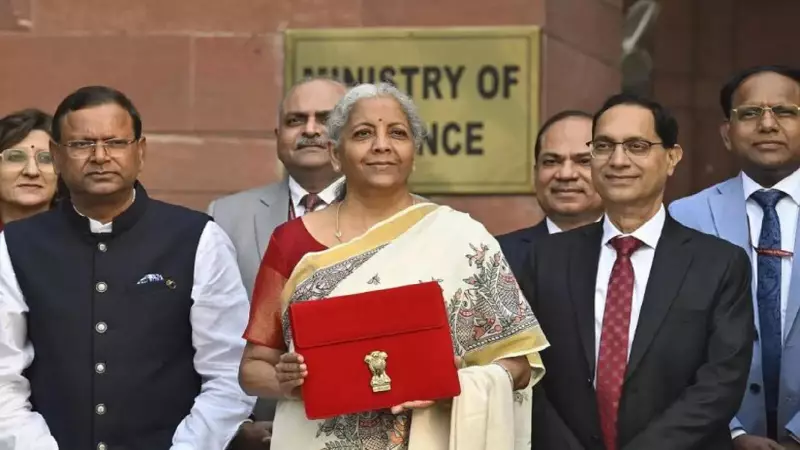
The defining policy question for India as it stepped into 2025 was not about the necessity of investing in education, but about the scale and speed of that investment. A potent mix of a youthful demographic, a competitive international employment landscape, and breakneck technological advancement presented a clear challenge: scaling up the education system without compromising on quality. The Union Budget for the 2025-26 fiscal year, presented by Finance Minister Nirmala Sitharaman, delivered a robust and strategic response.
Moving beyond treating education as mere social welfare, the government positioned it as critical national infrastructure. The Ministry of Education was allocated ₹1,28,650 crore, marking a 6.22 percent increase from the previous year. This substantial funding is aimed at creating a seamless ecosystem that connects classrooms, premier institutions, research labs, and industry needs.
Digital Foundations and Hands-On Learning
A major pillar of the budget is bridging the digital divide. Under the BharatNet project, all government secondary schools will be equipped with broadband connectivity. This initiative is designed to empower students in rural and remote regions by giving them access to online classrooms, digital textbooks, and educational applications, effectively narrowing the opportunity gap with urban peers.

To foster innovation from a young age, the government announced an ambitious plan to establish 50,000 new Atal Tinkering Labs in schools over the next five years. These labs will provide a practical, hands-on environment for students to engage with science, technology, coding, and robotics, often offering a first-ever chance for experiential learning.
Furthering the push for inclusive education, the Bharatiya Bhasha Pustak Scheme will promote digital textbooks in various Indian languages. This move is expected to enhance comprehension for millions of students who find English-medium instruction a barrier to learning.
Expanding Capacity in Higher Education and Research
The budget signals a significant expansion in higher education capacity. In a bid to accommodate more talent, five IITs established after 2014 will receive funding for new academic buildings and hostels. This expansion will create room for approximately 6,500 additional students. IIT Patna is also slated for infrastructure upgrades to improve campus life and academic facilities.
To boost domestic research and retain scientific talent, the PM Research Fellowship scheme will support 10,000 scholars at IITs and the Indian Institute of Science (IISc) Bengaluru. The fellowship provides financial stability, encouraging students to pursue advanced research projects within India instead of seeking opportunities abroad.
Addressing a critical national need, the government will add 10,000 new medical seats next year. This increase aims to produce more qualified doctors and strengthen the country's healthcare workforce.
Skilling, AI, and Preserving Heritage
Recognizing the importance of vocational training, the budget proposes setting up five National Centres of Excellence in Skilling. These centres will offer international-standard training and certification in vocational courses, enhancing the employability of youth in manufacturing and other core industries.
In a forward-looking measure, a new AI Centre of Excellence in Education will be established with an allocation of ₹500 crore. This centre will explore and deploy artificial intelligence to personalize teaching methods, create better learning tools, and revolutionize the educational experience.
On the cultural front, the Gyan Bharatam Mission will undertake the colossal task of collecting, digitizing, and preserving over one crore ancient manuscripts. A proposed national digital library will make this vast repository of India's knowledge heritage easily accessible to students and researchers worldwide.

A Holistic Vision for the Future
The Union Budget 2025-26 presents a comprehensive framework aimed at transforming India's educational landscape. From ensuring internet access in every government secondary school to creating world-class research opportunities and job-aligned skill centres, the plan is multifaceted. The increased funding for flagship school programs like Samagra Shiksha, PM-POSHAN, and PM-SHRI promises better classrooms, nutritious meals, and improved facilities at the grassroots level.
The overarching impact on students is clear: improved access, practical learning experiences, more seats in coveted colleges, and new pathways to employment. By treating education as strategic infrastructure, the budget focuses not only on enhancing learning outcomes today but also on systematically preparing a generation to lead and thrive in the future global economy.