

CBSE Addresses QR Code Mishap in Examination Papers
The Central Board of Secondary Education (CBSE) has officially responded to a recent incident involving QR codes in examination papers that led to unexpected links. The board has clarified the situation, which sparked confusion among students and educators alike.
Details of the QR Code Goof-Up
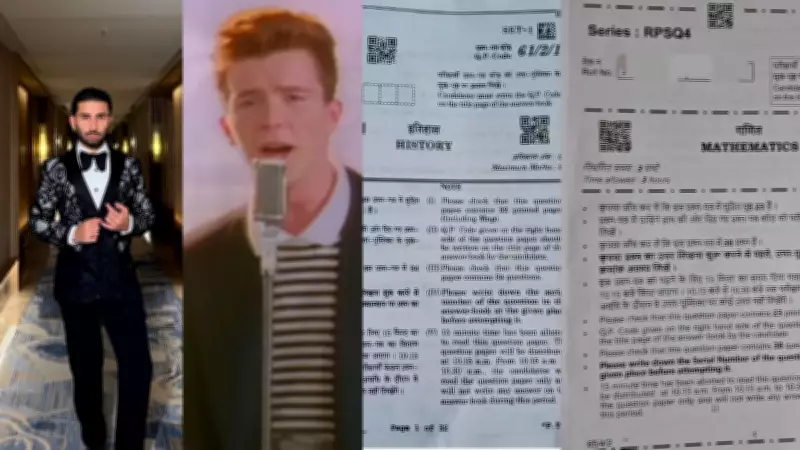
According to the CBSE statement, the QR codes included in certain exam papers were intended to provide supplementary information or resources for students. However, due to a technical error, some of these codes directed users to unrelated content, including pranks involving popular internet memes like Rickroll and references to social media personality Orry.
The board emphasized that this was an unintentional mistake and not a deliberate act. The QR codes were meant to enhance the educational experience by offering additional learning materials, but the misdirection caused concern among stakeholders.

CBSE's Clarification and Actions Taken
In its clarification, CBSE stated that it has taken immediate steps to rectify the issue. The board has reviewed the affected papers and ensured that all QR codes now link to appropriate educational content. They have also implemented stricter quality control measures to prevent similar occurrences in the future.
The incident highlights the challenges of integrating digital tools into traditional examination systems. While QR codes can be useful for providing instant access to resources, their misuse or technical flaws can lead to distractions and security concerns.
Impact on Students and Examination Process
Students who encountered the prank links reported confusion and amusement, but some expressed frustration over the disruption during exams. Educators have called for more robust testing of digital components in exam papers to maintain the integrity of the assessment process.
CBSE has assured that the goof-up did not compromise the fairness or security of the examinations. All answer sheets have been evaluated based on the printed questions, and the QR codes were purely supplementary.
Lessons Learned and Future Precautions
This incident serves as a reminder for educational boards to exercise caution when incorporating technology into exams. CBSE has pledged to conduct thorough checks on all digital elements in future papers, including QR codes, to ensure they function as intended and align with educational objectives.
The board also encouraged students to focus on the core exam content and report any anomalies immediately. By addressing this issue promptly, CBSE aims to restore confidence in its examination system and continue leveraging technology for educational enhancement.






