Pakistan Announces 4.3% Petrol Price Increase Amid Regional Conflict
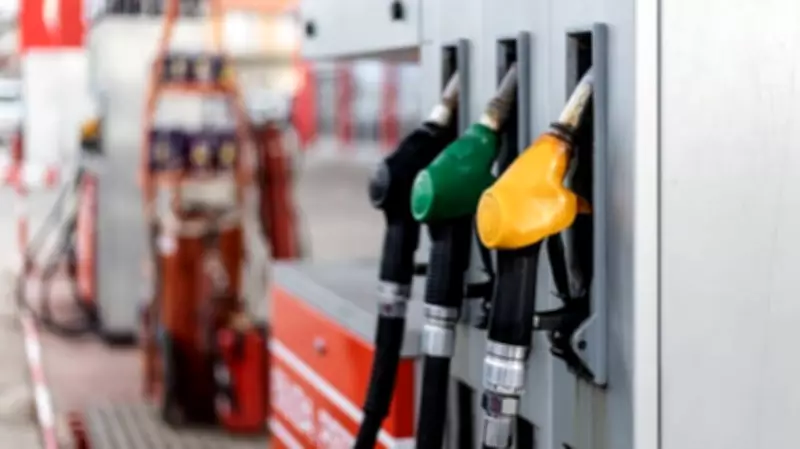
In a significant move affecting millions of citizens, Pakistan has raised petrol prices by 4.3%, a decision driven by escalating tensions in the ongoing US-Iran war. This adjustment comes as global oil markets experience heightened volatility, directly impacting fuel costs in the region. The price hike is expected to exacerbate inflationary pressures, straining household budgets and daily commutes across the country.
Impact of Global Instability on Domestic Economy
The rise in petrol prices is closely linked to the conflict between the United States and Iran, which has disrupted oil supplies and driven up international crude prices. Pakistan, heavily reliant on imported oil, faces increased costs that are now being passed on to consumers. This development underscores the vulnerability of emerging economies to geopolitical crises, with potential ripple effects on transportation, agriculture, and industrial sectors.
Key Factors Behind the Price Adjustment- Global oil market fluctuations due to the US-Iran war
- Increased import costs for petroleum products
- Government efforts to manage fiscal deficits
- Anticipated rise in inflation and cost of living
Broader Implications for Pakistan's Socio-Economic Landscape
This petrol price increase is not merely a financial adjustment but a reflection of deeper economic challenges. With inflation already a concern, the hike could lead to higher prices for essential goods and services, affecting low and middle-income families the most. Analysts warn that sustained conflict in the Middle East may prompt further adjustments, necessitating strategic planning by policymakers to cushion the blow on vulnerable populations.

As the US-Iran conflict continues to unfold, Pakistan's energy sector remains at the mercy of external factors. The government may need to explore alternative energy sources or subsidy mechanisms to stabilize prices. This situation highlights the urgent need for regional diplomacy and economic resilience in the face of global turmoil, with citizens bearing the immediate brunt of these geopolitical shifts.