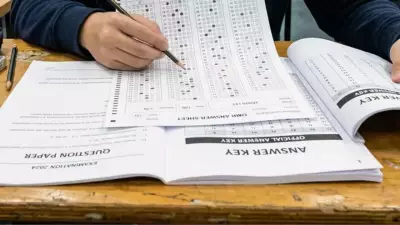
Board Exam Season Intensifies as CBSE Implements New Wellness Mandate
It is that time of the year again when all stakeholders in the education ecosystem, including examination boards, school staff, parents, and most importantly, young students, are operating at heightened activity levels to prepare for the board examinations. While examination boards and school staff follow a routine pre-set process, this period and the subsequent journey through the examination timeline remain one of the most defining milestones in a student's academic journey in India.
For many families, board exams represent opportunity, aspiration, and upward mobility. However, for numerous students, they are a harbinger of excessive stress, fear, and emotional pressure. Over the years, parental fears have persisted, leading to a significant increase in awareness around student mental health in the past year.
CBSE's Proactive Step Towards Student Well-being
Not only have schools started strengthening counselling systems and public discourse around exam stress, but one of India's leading boards, the Central Board of Secondary Education (CBSE), has mandated that all affiliated schools appoint dedicated Counselling & Wellness Teachers (socio-emotional) and Career Counsellors by 2026. This directive ensures a 1:500 ratio for students in classes IX to XII, aiming to provide structured support during these critical years.

While these institutional measures are welcome, the most immediate and powerful influence during board examination time continues to be the home environment. Parents play a pivotal role in shaping their children's emotional and academic experiences during this stressful period.
Essential Parenting Strategies for Exam Season
Here are some key thoughts for parents to reflect upon to support their children effectively:
- Creating A Safe and Reassuring Environment
The home must remain a space of emotional safety. During exam season, children need to feel that they can express worry, self-doubt, or fear without being dismissed or judged. Active listening without immediate advice or correction, especially for older students, reduces feelings of isolation. Children should be constantly reminded that their worth extends beyond a mark sheet, as mark sheets are merely assessment tools. When they feel understood and supported, they approach preparation with greater clarity and confidence. A calm and reassuring home atmosphere significantly lowers exam-related anxiety.
- Focusing On Effort Rather Than Outcomes
One of the most effective ways to reduce performance anxiety is to shift conversations from marks to effort. Children are already aware of cut-offs, percentages, and peer comparisons. Repeating these metrics rarely enhances performance; instead, it often increases fear of failure. Recognizing discipline, consistency, and improvement builds internal motivation. Parents should consciously avoid comparisons with siblings, relatives, or classmates, as every child learns and performs at a different pace.
- Encouraging Healthy Routines and Balance
Emotional well-being is strongly connected to physical health and everyday activities. Professional burnout occurs when employees work without taking breaks, leading to energy depletion and memory issues. Adequate sleep, balanced nutrition, and short breaks are essential for cognitive performance. Parents can collaborate with their children to create study schedules that include specific times for breaks and light exercise. The effectiveness of study time increases when students use high-quality study techniques instead of studying for extended periods while battling exhaustion. Maintaining emotional balance enables children to keep their focus and control their feelings during exams.
- Managing Post-Exam Conversations
An often-overlooked source of anxiety occurs after each paper. Immediate post-mortems of answers, constant discussions about expected scores, or comparisons with peers can destabilize confidence before the next exam. Once a paper is done, it is done. Parents should focus forward rather than backward. A simple reassurance that helps children regain composure and conserve emotional energy is all that is needed.

- Navigating Digital Pressure
Exam anxiety is currently heightened because students use social media to discuss concerns, study predicted question papers, and compare themselves with others online. Parents need to support their children in establishing digital limits through gentle intervention during this time. Students can maintain mental concentration by refraining from unnecessary online exam discussions, which also helps them avoid last-minute study problems before their examination.
- Being A Source of Calm and Perspective
Children tend to mirror their parents' emotional responses. Observing parents' visible anxiety can increase tension in children. Demonstrating calmness, patience, and optimistic behavior creates a strong message that enables stability and confidence to develop in children before they take their exams.
The Broader Impact of Parental Support
Positive parenting during exams is not about destroying expectations; it is about learning to strike a balance between aspiration and empathy. When parents replace pressure with partnership and compassion, they become enablers for children to perform well. Board exams test academic preparedness, and this preparation is a year-long process, not a last-minute execution.
In India especially, board exams are not just academic events; they are emotional events. How parents respond during this phase often determines whether "P" stands for Pressure or "P" stands for Productivity. The former "P" can keep a child in a low state of anxiety, leading to action paralysis, while the latter "P" ensures that the child approaches exams with high motivated energy.
Mr Vinesh Menon, Director General and CEO, ARISE, emphasizes the critical role of parental support in navigating the emotional challenges of board examinations.