Class 1 Students Take a Stand Against School's Strict Policies
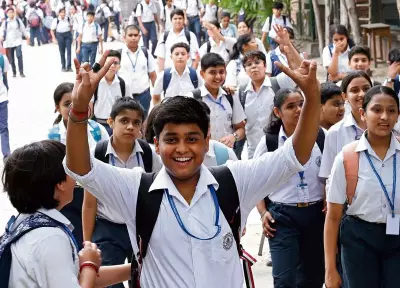
In a surprising turn of events, a group of Class 1 students has staged a bold protest against their school's unfair rules. These young learners, barely out of kindergarten, decided they had enough of the strict policies imposed on them. Their rebellion, though small in scale, carries a powerful message about children's rights and educational fairness.
The Spark That Ignited the Protest
The protest began quietly but grew quickly. Students felt frustrated by rules they considered unreasonable. They believed these policies limited their freedom and made school life difficult. Without any adult prompting, they organized themselves to voice their concerns.
Their actions included simple yet effective methods. They created handmade signs with crayons and paper. Some refused to participate in certain activities. Others spoke up during class discussions. Their collective effort showed remarkable unity for such young children.

Why These Rules Faced Opposition
The school's policies targeted several areas of student life. Strict dress codes caused discomfort during hot weather. Limited playtime frustrated active children. Harsh punishment for minor mistakes created fear rather than learning.
Parents noticed changes in their children's behavior. Kids became reluctant to go to school. They complained about feeling unhappy and restricted. This parental observation added weight to the students' protest.
The school administration initially dismissed the protest as childish behavior. However, the persistence of these Class 1 students forced them to reconsider. Teachers observed the situation closely, noting the genuine distress among their pupils.Broader Implications for Indian Education
This incident highlights important questions about India's educational system. How much authority should schools have over young children? Where should we draw the line between discipline and oppression?
Educational experts point out several key issues:
- Young children need freedom to explore and learn
- Excessive rules can stifle creativity and curiosity
- Children's voices deserve to be heard and respected
- Schools should balance structure with flexibility
The protest has sparked conversations among educators nationwide. Many are reevaluating their own school policies. Some are implementing more child-friendly approaches. Others are creating channels for student feedback.
The Path Forward
Following the protest, the school has taken some positive steps. Administrators met with student representatives, listening carefully to their concerns. They agreed to review and modify certain rules. A student council will be formed to give children a regular voice.
This Class 1 rebellion serves as a powerful reminder. Even the youngest members of our society can recognize injustice. They can organize and demand change. Their courage should inspire all of us to listen more carefully to children's perspectives.
The story continues to develop as other schools watch closely. Many hope this incident will lead to lasting improvements in how we educate India's youngest citizens. The children have shown that sometimes, the smallest voices can create the biggest impact.