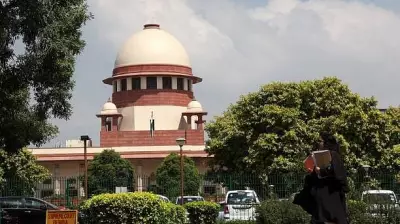
Nagpur High Court Directs Petitioner to Fund Demolition of Illegal Structures
The Nagpur bench of the Bombay High Court issued a significant directive on Monday, ordering petitioner N Kumar to bear the financial burden of demolishing unauthorized constructions at Poonam Chambers. The court mandated that Kumar deposit the required amount with the Nagpur Municipal Corporation (NMC) within two weeks after the submission of a detailed estimate, marking a decisive step in the ongoing legal battle over illegal building activities.
Court Proceedings and Demolition Progress
This order emerged during the hearing of a petition filed by N Kumar, which addresses alleged illegal constructions at both Poonam Chambers and Poonam Towers. A division bench comprising Justices Anil Pansare and Nivedita Mehta presided over the case, adjourning further proceedings until March 30 to allow for compliance and review.
The court was informed that the NMC has already initiated demolition work in accordance with previous court directives. The bench instructed NMC officials to complete the demolition process and provide a copy of the detailed expenditure estimate to both the court and the petitioner, ensuring transparency and accountability in the execution of the order.
Petitioner's Undertaking and Non-Compliance Issues
Chartered accountant Abhiruchi Agrawal, representing the petitioner, submitted a progress report on the demolition activities, which the court accepted into the record. According to this report, unauthorized structures located in the parking area of the building complex have been successfully removed, indicating partial compliance with earlier rulings.
NMC counsel JB Kasat provided an update to the court, stating that approximately 80% of the demolition work in the parking area has been completed, with the remaining tasks expected to be finished shortly. Kasat also noted that the demolition efforts were temporarily halted on March 5, though reasons for this pause were not detailed in the proceedings.
The bench highlighted a critical point of contention: the petitioner had previously provided a written undertaking to the court, committing to remove the illegal constructions but failed to fulfill this assurance. The judges emphasized that this issue of non-compliance would be examined at a later stage, potentially leading to further legal consequences for Kumar.
Broader Implications and Legal Context
This case underscores the judiciary's firm stance against unauthorized constructions and the enforcement of urban planning regulations. By holding the petitioner financially responsible for the demolition costs, the court sets a precedent that may deter similar violations in the future, reinforcing the principle that those who engage in illegal building activities must bear the remedial expenses.
The involvement of the NMC in overseeing the demolition process highlights the collaborative effort between judicial authorities and municipal bodies to address urban encroachments. As the hearing resumes on March 30, stakeholders will closely monitor the implementation of the court's directives and the resolution of the non-compliance issues, which could shape future legal approaches to property violations in Nagpur and beyond.