Congress Leader Mallikarjun Kharge Proposes All-Party Meeting on Women's Reservation Act Implementation
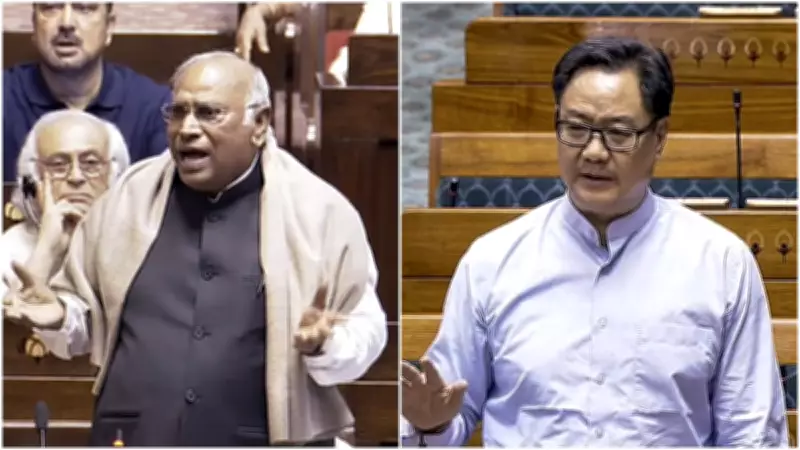
In a significant political development, Congress President Mallikarjun Kharge has formally requested an all-party meeting to discuss the implementation of the landmark Women's Reservation Act. This move comes in direct response to a letter he received from Parliamentary Affairs Minister Kiren Rijiju, highlighting the ongoing dialogue between the government and opposition on this critical legislation.
Background of the Women's Reservation Act
The Act, officially known as the Nari Shakti Vandan Adhiniyam, represents a historic step toward gender equality in Indian politics. It was passed unanimously by both houses of Parliament in September 2023, showcasing rare bipartisan support. The legislation aims to reserve one-third of seats in the Lok Sabha and state legislative assemblies for women, potentially transforming the political landscape by increasing female representation.
Kharge's Call for Collaborative Implementation
In his letter to Minister Rijiju, Kharge emphasized the importance of inclusive discussions to ensure smooth and effective implementation of the Act. He noted that while the passage of the bill was a unanimous achievement, the practical steps required for its execution demand careful planning and consensus among all political stakeholders. Kharge's proposal for an all-party meeting underscores the Congress party's commitment to seeing the Act realized in a manner that benefits women across the nation.

The key points raised by Kharge include:
- The need for a structured dialogue to address logistical and procedural challenges.
- Ensuring that the implementation timeline is clear and adhered to by all parties.
- Discussing potential amendments or clarifications that might be necessary for seamless execution.
- Fostering a cooperative environment to uphold the spirit of the unanimous passage.
Political Implications and Next Steps
This development occurs against the backdrop of ongoing political debates about women's empowerment and representation in India. The Women's Reservation Act has been a long-standing demand of various social and political groups, and its implementation is eagerly awaited. By calling for an all-party meeting, Kharge aims to bridge any gaps between the ruling party and opposition, ensuring that the Act does not become mired in partisan disputes.
Minister Rijiju's initial letter to Kharge, which prompted this response, indicates the government's willingness to engage with opposition leaders on this matter. The proposed meeting could serve as a platform to:
- Clarify the roles and responsibilities of different political entities in the implementation process.
- Set a realistic timeline for rolling out the reservation in upcoming elections.
- Address concerns from smaller parties or regions that might be affected by the changes.
- Promote transparency and accountability in the execution of the Act.
As of March 17, 2026, the response from Minister Rijiju to Kharge's proposal is awaited, with political observers keenly watching for further developments. The outcome of this dialogue could significantly influence the future of women's participation in Indian democracy, making it a pivotal moment in the nation's political history.