Daily Fresh Vegetables Reach Students in Six Karnataka Government Schools
In a heartwarming display of community spirit and compassion, students attending six government schools in Karnataka are now enjoying a daily supply of fresh and sufficient vegetables. This initiative, driven by a teacher's deep concern for student well-being and a vendor's remarkable generosity, aims to address nutritional gaps and support the health of young learners.
Padma Shri Awardee Leads the Charge with First Contribution
The effort gained significant momentum when Padma Shri awardee Harekala Hajabba made the inaugural contribution to support this noble cause. Hajabba, renowned for his philanthropic work, stepped forward to back the initiative launched by teacher Muhammed Shareef, who recognized the urgent need for better nutrition among students in these schools.
Shareef's vision was simple yet powerful: to ensure that every child has access to fresh vegetables daily, which are essential for growth, development, and academic performance. His concern stemmed from observing the challenges many students face in obtaining adequate nutritious food, which can impact their learning and overall health.

Vendor's Generosity Ensures Sustained Supply
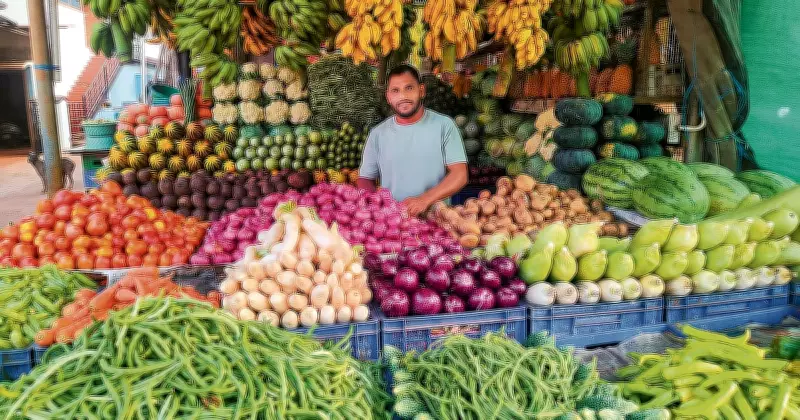
Complementing this initiative, a local vegetable vendor demonstrated extraordinary generosity by committing to provide the vegetables regularly. This partnership between the educator and the vendor has created a reliable pipeline, guaranteeing that the schools receive a consistent and ample supply of fresh produce.
The collaboration highlights how individual acts of kindness can collectively make a substantial difference. By working together, they have transformed a basic need into a sustained reality for hundreds of students, fostering a healthier school environment.
Impact on Student Nutrition and Community Engagement
This program not only addresses immediate nutritional requirements but also promotes broader community engagement in education and child welfare. The availability of fresh vegetables is expected to enhance the students' dietary intake, potentially leading to improved concentration, energy levels, and overall well-being.
Moreover, the initiative serves as an inspiring model for other communities, showcasing how local resources and goodwill can be harnessed to support public education systems. It underscores the importance of grassroots efforts in complementing governmental schemes aimed at student welfare.
As this story unfolds, it reminds us of the profound impact that compassion and collaboration can have on young lives, turning everyday challenges into opportunities for growth and nourishment.