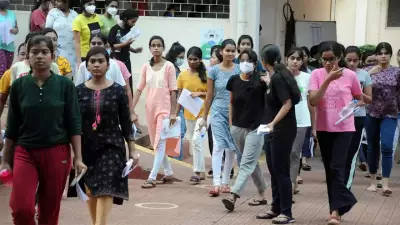
As a new academic year approaches, the Delhi government has initiated a major city-wide mission to locate children who have fallen out of the formal education system. The education department has mobilized hundreds of surveyors to comb through neighbourhoods, labour clusters, and informal settlements with a clear objective: to find every child missing from school and bring them back to learning.
Massive Ground Survey to Map Education Gaps
The 15-day intensive survey, running from January 1 to January 15, is being conducted by the Samagra Shiksha wing of the Delhi education department. A total of 234 dedicated survey teams have been deployed across all districts, with the highest concentration in East Delhi (27 teams), South East (25 teams), and South and West B districts (22 teams each). These teams are visiting households daily between 9 am and 1 pm.
"Our goal is to guarantee universal access to education and to streamline the admission process so that barriers like documentation issues, migration, or socio-economic challenges do not keep any child away from school," explained an official from the education department.

Targeted Outreach in High-Risk Areas
The survey follows a strategic plan, focusing its initial efforts on localities with historically higher dropout rates. Key hotspots identified for this outreach include:
- Unauthorised colonies
- Construction sites and industrial zones
- Migrant settlements
For many families in these areas, navigating the school system has been a struggle. A father from northeast Delhi shared his frustrating experience trying to get his son admitted to Class IX. "I was sent from one office to another, with no one giving me a clear answer. Finally, the school removed his name from the list, and I had no clue how to get him back in," he said. With avenues closing, his son now works at a shop in Shiv Vihar—a sobering example of how educational disruption can swiftly push a child from the classroom to the workplace.
Age-Wise Categorisation for Effective Placement
Children discovered during this drive will be grouped into four specific age brackets to ensure appropriate educational planning:
- Below 6 years
- 6–10 years
- 11–14 years
- 15–19 years
"This classification allows us to plan admissions more efficiently, particularly for older children who might require bridge courses or alternative learning pathways," the official added. The department has directed all schools to prioritise admitting these identified children, including those with special needs, by January 31. A comprehensive report on these admissions is due by February 7.
A Push to Bridge Persistent Learning Gaps
This exercise is part of the bi-annual survey conducted by Samagra Shiksha. The scale of the challenge is significant. "In this year's summer survey alone, we identified over 11,000 children who had either dropped out or were never enrolled," stated the official. The current winter survey aims to build on that effort, ensuring that thousands more are tracked and reintegrated into the schooling system, thereby taking a concrete step toward bridging the city's learning gaps.