Bomb Hoaxes Plague Delhi Schools, Creating Climate of Fear and Disruption
In New Delhi, the school bell may ring punctually, but within the classrooms, a pervasive uncertainty looms over whether the day will proceed with normal learning or be abruptly derailed by yet another security crisis. This unsettling reality has become the new normal for educational institutions across the capital.
A Pattern of Disruption: From Pandemics to Pollution to Hoaxes
Recent years have seen academic sessions fractured by prolonged Covid-19 closures, severe pollution alerts, and dense winter fog. Now, a deeply disturbing new pattern has emerged: bomb hoaxes targeting schools across the city, exacerbating an already fragile educational environment.
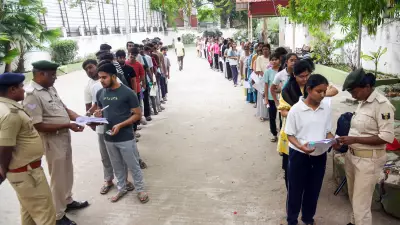
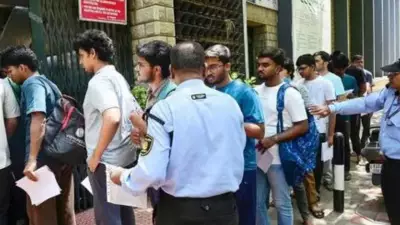
In recent months, dozens of institutes have received emails claiming explosive devices were planted on their campuses. These threats trigger immediate evacuations, police sweeps, and the deployment of bomb-disposal units, creating intense anxiety among students, staff, and parents. Inevitably, these alerts later prove to be hoaxes, but the psychological damage is already done.

The Emotional Toll on Young Minds
With parents reporting growing concern over the impact on their children's sense of security, schools are collaborating with law enforcement and cyber units to trace the origins of these threatening messages and strengthen response protocols. Amid this relentless uncertainty, teachers face the dual challenge of ensuring child safety while maintaining academic continuity.
For younger students, the impact is immediate and profoundly emotional. Educators report that repeated evacuations are quietly eroding children's fundamental sense of safety. Tania Joshi, principal of Indian School, shares her concern: "What worries me most is their reaction. After one such email, I saw nursery children sitting on the lawn with teachers trying to create a picnic atmosphere. But some kept asking why they weren't returning to class. It feels criminal to explain bomb threats to very young children. You must choose words with extreme care."
Jyotika Jakhar, principal of Tagore International School, echoes this sentiment: "Students arrive with a daily plan, and suddenly everything changes. The experience can be frightening. We end up explaining this is part of the world they're growing up in, which is profoundly sad. Schools follow all protocols, but disruption remains inevitable."
Parental Anxiety and Student Awareness
Shielding children completely from this menace proves nearly impossible. "The reality is they know," Joshi notes. "Parents discuss it at home, and with today's wide exposure, nothing stays hidden. Recently, a Class II child asked me if police had been informed about the bomb threat."
Parents witness the impact extending beyond school gates. Prateek Kapoor, whose son is in Class III, observes: "Uncertainty now affects his daily routine. Some mornings, he clings to me, asking if he'll attend classes. He doesn't fully understand but knows something is wrong."
School Responses and the Scale of Disruption
Some schools adopt calibrated approaches. At Ahlcon School, principal Sanjay Yadav states classes resume normally after police clearance. "Initially, evacuations caused anxiety, but with repeated counseling, students have become more settled. More than them, it's parents who panic when such news breaks."
Educators agree the cumulative impact is significant. Jas Elanjikal, principal of St Michael's Senior Secondary School, Pusa Road, explains: "Beyond academic disruption, these false alarms trigger emotional trauma and insecurity among children."
The disruption scale is stark. Rooma Pathak, principal of M M Public School, Pitampura, reveals: "Over 150 schools in Delhi-NCR received such threatening emails in 2025 and this year. Beyond academic loss, it takes a toll on students' mental health, making focus difficult and holistic learning challenging to ensure."

The Fear of Normalization and Real Threats
For many educators, the deeper fear is the normalization of such threats. "One day, it may be real. We cannot take any chance," Joshi emphasizes, highlighting the precarious balance between precaution and panic that defines the current school environment in Delhi.