Delhi University Enforces One-Month Ban on Campus Protests and Gatherings
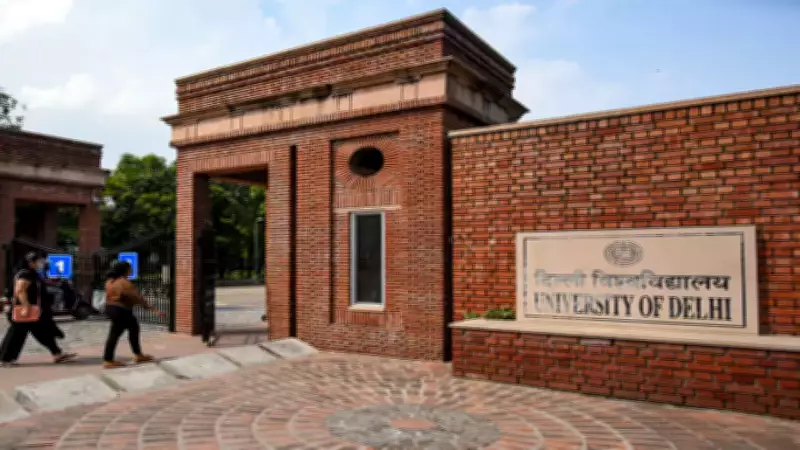
Delhi University has officially prohibited all protests, public gatherings, and demonstrations across its campuses for a period of one month, a decision that has ignited significant backlash from student organizations and teacher associations. The move has been sharply criticized as "undemocratic" and viewed by many as a deliberate effort to stifle dissent within the academic community.
Order Issued by Proctor's Office Following Recent Campus Clash
The directive was issued by the office of the university proctor, coming just days after a protest on the North Campus last Friday. That demonstration was organized in response to the Supreme Court's stay on the UGC Equity Regulations 2026 and escalated into a physical altercation between two opposing groups. In the aftermath, cross-FIRs were filed, with each side accusing the other of assault and intimidation, highlighting the volatile nature of the incident.
The university's order explicitly states, "This order is issued in view of information indicating that unrestricted public gatherings, processions or demonstrations on campus may lead to traffic obstruction, threats to human life and disturbance of public peace. In the past, organizers have often failed to control such protests, which escalated and spread widely, causing deterioration of law and order on university campuses." This justification underscores the administration's concerns over maintaining safety and order.

Criticism from Student and Teacher Groups
Student unions and faculty associations have vehemently opposed the ban, arguing that it infringes on fundamental rights to free expression and assembly. They assert that such measures are antithetical to the democratic ethos of educational institutions and represent an overreach by university authorities. The timing of the ban, following the recent protest, has led to accusations that it is a retaliatory action aimed at curbing future dissent.
When questioned about the specific duration of the ban, DU Proctor Manoj Kumar remarked, "There is no specific reason behind fixing the duration at one month." This statement has further fueled skepticism among critics, who question the arbitrary nature of the timeframe and call for greater transparency in the decision-making process.
Broader Implications for Campus Democracy
The imposition of this month-long ban raises important questions about the balance between maintaining campus security and upholding democratic principles. Key points of contention include:
- The potential chilling effect on student activism and political engagement.
- The precedent set for other universities considering similar restrictions.
- The adequacy of alternative mechanisms for addressing grievances without suppressing dissent.
As the debate continues, the university community remains divided, with ongoing discussions about the long-term impact of such policies on academic freedom and student rights. The situation underscores the delicate interplay between institutional authority and the vibrant, often contentious, discourse that characterizes higher education environments.