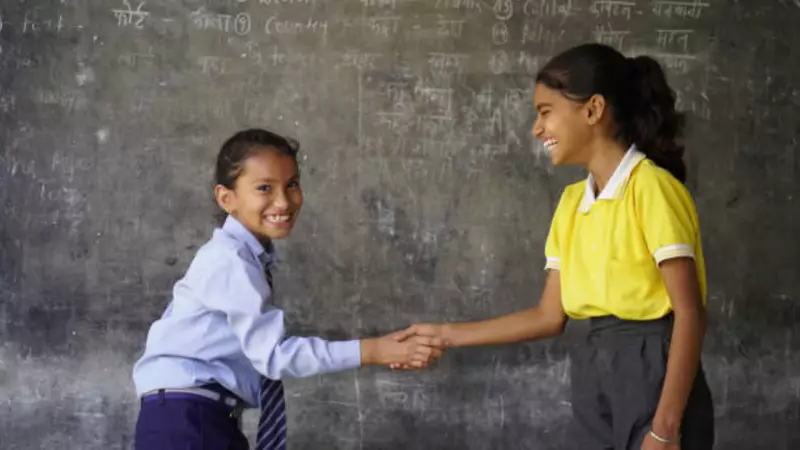
In today's educational landscape, classroom diversity is an undeniable reality that educators must navigate with skill and sensitivity. Students arrive with varied home languages, distinct attention spans, and unique approaches to comprehending instructions. Teachers face the dual challenge of managing this rich tapestry of differences while ensuring syllabus completion, often without adequate resources or training.
The Power of Listening in Fast-Paced Environments
Many contemporary classrooms operate at a rapid pace, moving quickly from questions to correct answers to subsequent tasks. In this hurried atmosphere, numerous children rarely receive the opportunity to be genuinely heard. Empathy exercises intentionally slow down this momentum through thoughtful design, creating space for authentic student voices to emerge.
Simple Practices That Transform Classroom Dynamics
These exercises can be remarkably straightforward, such as allowing students to explain their problem-solving approaches even when their answers are incorrect. When classmates hear diverse thinking processes, they begin appreciating effort alongside results, gradually reducing tendencies toward interruption or mockery. Over time, children naturally recognize that cognitive processing varies significantly among individuals.

This crucial understanding doesn't develop through formal lectures but emerges organically from listening to real voices within the classroom community. The cumulative effect creates an environment where different learning styles receive validation rather than judgment.
Role Reversal: Shifting Perspectives Through Imagination
While role-play activities might initially feel awkward, their implementation need not be complicated. Asking students to imagine experiencing classroom challenges—such as visual impairments or language barriers—can subtly transform peer perceptions. In many educational settings, struggling children receive early labels that influence how peers interact with them.
Breaking Patterns Through Perspective-Taking
Empathy exercises involving role reversal temporarily disrupt these established patterns, creating pauses where judgment typically resides. The resulting changes often manifest subtly but meaningfully: a student might begin sharing notes spontaneously, while another might stop pressuring classmates for quick responses. Though not dramatic transformations, these behavioral shifts significantly impact classroom culture.
The Teacher's Role: Tone Over Technique
Empathy exercises prove ineffective when implemented mechanically. Students quickly detect when activities feel forced or checklist-driven. What truly matters is how teachers respond during ordinary classroom moments—calmly addressing teasing, acknowledging effort without excessive praise, and modeling inclusive behaviors consistently.
When educators demonstrate patience, avoid comparisons, and use neutral language, empathy becomes woven into classroom culture rather than remaining an isolated exercise. Many teachers already practice these principles intuitively without formal terminology. Structured empathy activities work most effectively when building upon this existing foundation of respectful interaction.
Noticing the Overlooked: Where Inclusion Begins
Every classroom contains students who rarely participate actively—those sitting quietly at the back, finishing work rapidly, or requiring more time while feeling observed. Simple, non-confrontational activities can illuminate these participation gaps without singling out individuals.
Creating Natural Awareness Through Dialogue
Group discussions, brief written reflections, or casual conversations about classroom experiences often reveal patterns that adults might overlook. When students independently notice these dynamics, inclusion develops more organically, reducing the need for constant teacher intervention. This collective awareness fosters environments where all learners feel recognized and valued.
Ultimately, creating genuinely inclusive classrooms requires moving beyond theoretical concepts to implement practical, daily choices that honor student diversity. Through consistent empathy-building practices, educators can transform learning spaces where every child's unique contributions receive appreciation and respect.