Gujarat Government to Systematically Relieve Teachers from Non-Academic Duties Starting 2026-27
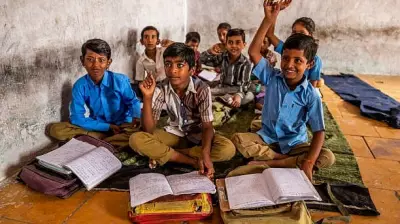
The Gujarat government has announced a significant policy shift aimed at systematically relieving schoolteachers from administrative and non-teaching assignments, with the implementation set to commence from the 2026-27 academic year. Officials have cited the direct impact on the quality of education as the primary driving concern behind this move.
Addressing Excessive Non-Teaching Workloads
Sources within the government revealed that excessive non-teaching workloads have placed significant strain on core teaching duties, leading to a measurable effect on classroom outcomes. To tackle this issue, the state will introduce academic audits designed to track mandatory instructional hours. Specifically, primary teachers will be required to complete 800 hours, while secondary teachers must fulfill 1,000 hours of teaching annually. This initiative marks the first formal accountability mechanism focused on actual teaching time in the state's education system.
A senior education department official stated, "The government has decided to gradually unburden teachers of the administrative and non-academic duties allotted to them from the academic year 2026-27. We have identified 123 non-academic, non-education-related works in which teachers are engaged on and off. Our aim is to free them from as many non-teaching jobs as possible at the earliest."

Mapping Non-Academic Activities and Mobilizing Resources
The official further explained that a gap-analysis exercise has been undertaken to map the non-academic activities where teachers are currently engaged. This process aims to identify key work areas and explore opportunities to mobilize human resources from other departments. According to teacher associations, non-academic assignments collectively consume more than 100 days in a year, severely impacting instructional time.
The Ahmedabad District Primary Teachers' Association has documented 56 such duties, ranging from vaccine surveys and voter list revision to gram sabha work, Aadhaar enrolment, sports events, cleanliness drives, and nutrition campaigns. These responsibilities eat into approximately 110 academic days, equivalent to an entire semester, meaning teachers are effectively not teaching for half of the school year.
Recent Incidents Highlighting the Crisis
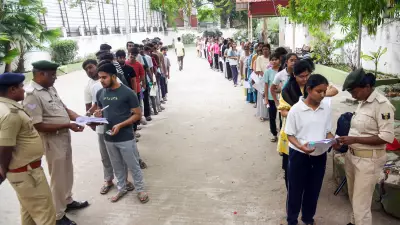
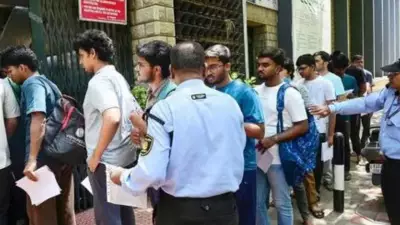
The issue reached a fever pitch earlier this month when teachers were ordered to conduct stray dog surveys in their localities. In a tragic incident in 2025, four teachers deployed as booth level officers during the Special Intensive Revision of voter lists died of cardiac arrests, with teachers' associations attributing these deaths to the overwhelming workload. Additionally, some teachers faced departmental proceedings over administrative delays during the same exercise.
An analysis conducted by senior state bureaucrats in December revealed that over 120 administrative functions have been piled onto teachers in government and government-aided schools, exacerbating the burden.
Gender-Specific Challenges and Teacher Sentiments
For women teachers, who constitute nearly half of the state's teaching workforce, the non-academic burden carries an additional dimension of safety and personal strain. One woman teacher shared, "Some people shut their doors on us. Some take our phone numbers and call us late at night. On top of our household responsibilities, this becomes unbearable." She added that many colleagues ask male relatives to accompany them on field visits for their own safety.
Several teachers expressed feelings of helplessness and guilt over their inability to focus on students. One teacher admitted, "I feel like a clerk most of the time," highlighting the frustration with their current roles.

Advocacy and Legal Framework
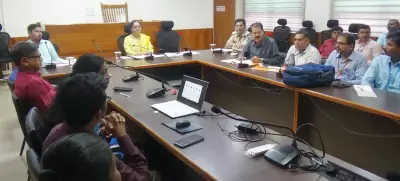
Ahmedabad Shikshak Mandal president Manoj Patel reported that teacher associations have approached senior state officials, including the chief secretary and the education minister, at least 10 times. "We have been requesting that teachers be relieved of additional responsibilities so that they can focus on teaching. The non-academic duties consume more than 100 days of their teaching time. The Right to Education Act strictly prohibits assigning teachers non-educational duties, except for census, disaster relief and elections," he emphasized.
Legal experts note that while Section 27 of the RTE Act restricts such assignments, a broadly worded clause in Section 24 on "other prescribed duties" has historically been used to justify a wide range of non-teaching work. However, in recent years, several states and courts have invoked Section 27 to withdraw teachers from such duties, setting a precedent for Gujarat's new policy.