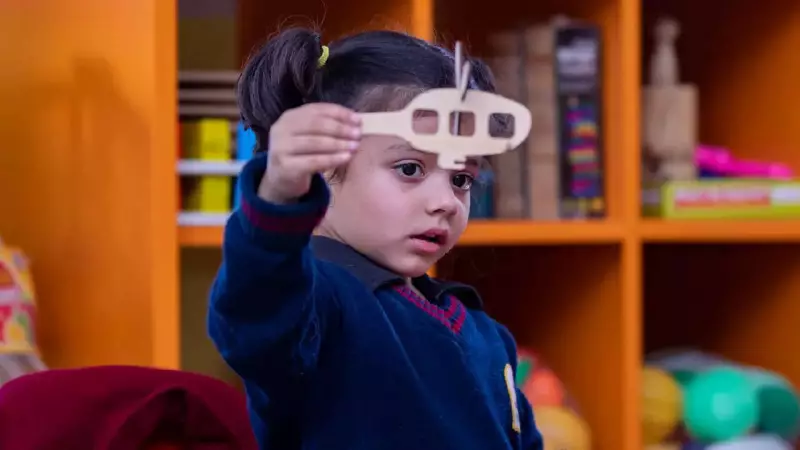
In an era dominated by artificial intelligence and constant digital connection, a well-meaning but potentially harmful parenting style is coming under scrutiny. The concept of 'helicopter parenting,' where adults constantly hover to solve every problem for their child, is now seen as a relic that can stifle crucial development. Experts argue that facing obstacles is not just about overcoming hindrances; it is a vital space for children to build essential life skills.
The Hidden Cost of Overprotection
New research highlights a significant downside to excessive parental intervention. A study published by the American Psychological Association indicates that overcontrolling parenting can negatively impact a child's ability to manage their own emotions and behaviour. When parents swoop in to fix every minor issue, they unintentionally rob children of the chance to use their imagination and analytical thinking to navigate trouble.
"The appeal of 'helicopter parenting' is instant. Conflicts get solved quickly, and it looks like a smooth resolution," the article notes. However, real development does not happen on such quick timelines. Children learn independence by tackling friction and managing imperfections. The most valuable lessons are often hidden in these challenging moments, and removing these instances also removes the impact of the lessons they teach.

Actionable Shifts for Intentional Parenting
So, how can parents move from controlling to coaching? Here are some practical steps suggested by educators:
- Opt for Coaching: Instead of providing the solution, ask guiding questions. Encourage the child to think about the approaches they have already tried. This ensures children take ownership of the problem-solving process.
- Embrace Low-Stakes Challenges: If a child forgets to prepare for a class, allowing them to experience the natural consequence helps them understand how it affects their own progress. These are safe opportunities for learning.
- Practice Calm Problem-Solving: When parents handle their own mistakes with calmness, they model effective 'adulting' for their children. This demonstrates how to approach setbacks without panic.
School as a Training Ground, Not a Buffer
Fostering this kind of resilience and independence is a core philosophy at Orchids The International School. The school's approach redirects care towards building capability. Academic questions and everyday problems are, whenever possible, left for the student to handle. This creates a culture where students learn to advocate for themselves, handle feedback constructively, and recover from setbacks while the stakes are still manageable.
Shruti Maheshwari, Primary Head at Orchids The International School, elaborated on this balanced approach. "In today's fast-paced and competitive world, parenting styles play a crucial role in shaping a child’s development," she said. "Helicopter parenting, characterised by excessive monitoring and intervention, often stems from a desire to protect children from failure and discomfort. However, constant supervision can limit a child’s ability to develop independence, resilience and critical life skills."
She emphasised that at Orchids, educators stress balanced parenting, where guidance is offered without compromising a child's autonomy. This nurtures self-reliant individuals prepared to face real-world challenges with confidence and responsibility.
The Path to Confident Adulthood
The ability to develop independence in childhood has profound implications for future achievements that extend far beyond academic scores. The delicate balance that parents and educators strike between providing guidance and granting autonomy is what ultimately empowers children to become capable and confident individuals.
Finally, the journey requires compassion for parents as well. Regardless of the parenting style one leans towards, self-compassion remains a vital part of the parenting journey. The goal is not perfection, but conscious progress towards raising resilient problem-solvers for tomorrow.