Himachal Education Minister Calls for Action on Vacant School Buildings
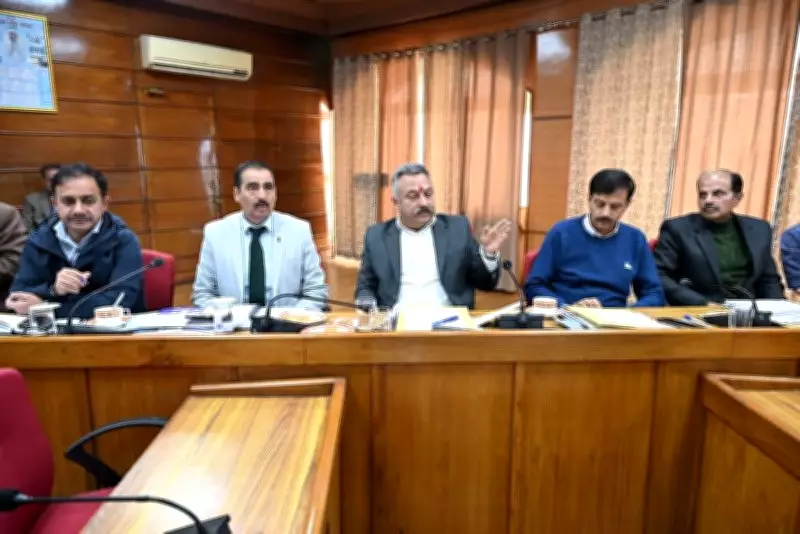
In a significant statement, the Education Minister of Himachal Pradesh has highlighted the urgent need to address the issue of vacant buildings left behind after the merger of schools across the state. The minister stressed that these structures should not be left idle, as they represent valuable public assets that could be repurposed for community benefit.
Background on School Mergers
The state government has been implementing a policy to merge schools with low enrollment to optimize resources and improve educational outcomes. This initiative, part of broader educational reforms, aims to consolidate facilities and enhance the quality of teaching. However, the process has resulted in numerous school buildings becoming vacant, raising concerns about their future use.
Minister's Directive on Utilization
The Education Minister emphasized that allowing these buildings to remain unused would be a waste of public investment and infrastructure. He urged local authorities and community stakeholders to explore viable options for repurposing the spaces. Potential uses could include community centers, vocational training hubs, libraries, or health clinics, depending on local needs and feasibility studies.

- Vacant buildings from merged schools are public assets that must be utilized efficiently.
- Idle structures contribute to resource wastage and could fall into disrepair.
- Repurposing efforts should align with community development goals and local demands.
- Collaboration between government departments and local bodies is essential for successful implementation.
Implications for Education and Development
This move is expected to have positive implications for both education and broader socio-economic development in Himachal Pradesh. By repurposing vacant school buildings, the state can:
- Maximize the use of existing infrastructure, reducing the need for new construction.
- Support community services and activities, fostering local engagement and empowerment.
- Address gaps in public amenities, particularly in rural or underserved areas.
- Promote sustainable development by recycling resources and minimizing waste.
The minister's statement underscores a proactive approach to governance, focusing on practical solutions to post-merger challenges. It reflects a commitment to ensuring that educational reforms yield tangible benefits beyond the classroom, contributing to overall state progress.