The Dual Worlds of Childhood: Home Comfort Versus School Reality
Every child exists in two parallel universes with remarkably different rules, expectations, and social dynamics. At home, parents witness one version of their child—the familiar individual shaped by family bonds and domestic routines. In the structured chaos of the classroom, teachers observe an entirely different persona emerging through daily interactions with peers and authority figures.
The Home Perspective: Individual Traits in Familiar Settings
Within family walls, parents frequently describe their children through specific behavioral lenses. "My child is exceptionally quiet at home," some parents report, while others note "my child talks incessantly once comfortable." Eating habits become family observations—"my child eats painfully slowly" or demonstrates particular sensitivities. Emotional patterns emerge in domestic safety: "my child gets angry quickly" or shows heightened emotional responses to familiar triggers.
These home observations represent genuine aspects of a child's personality, yet they capture only fragments of their complete behavioral repertoire. The home environment functions as an emotional sanctuary where children can express themselves without the social pressures and performance expectations of external settings.

The School Laboratory: Social Dynamics Under Observation
School transforms into what educators describe as a comprehensive social laboratory where children navigate complex interpersonal landscapes. Unlike the controlled home environment, classrooms present twenty-five or more peers simultaneously, creating constant noise, competition, and social negotiation. Children must master instruction-following, sharing resources, waiting turns, handling both winning and losing scenarios, and managing moments of being ignored or appreciated.
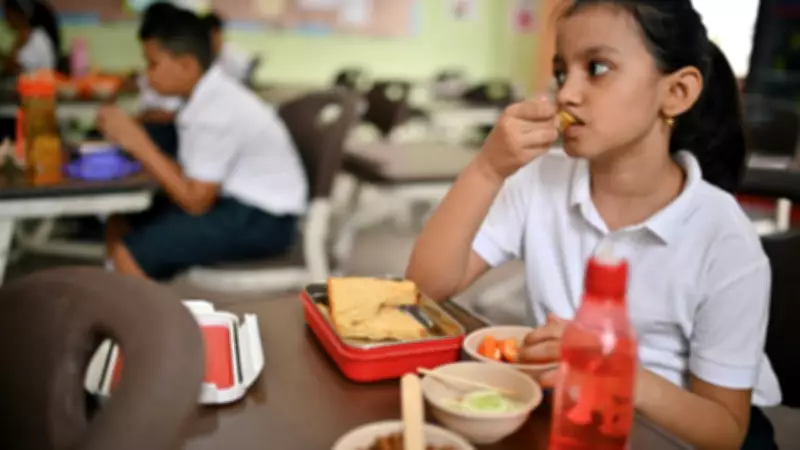
This environment reveals behavioral patterns invisible to parents. Teachers develop professional observation skills that detect subtle social behaviors and coping mechanisms. Educators notice which children never open lunchboxes without prompting versus those who finish meals rapidly and experience hunger again quickly. Sharing behaviors become apparent—who consistently shares resources and who struggles with generosity.
The Teacher's Observational Lens
Classroom professionals detect emotional responses that parents might never witness. Teachers identify children who cry exclusively during losses versus those who experience emotional distress even during victories due to empathy for others. Dietary impacts on behavior become evident—which students cannot sit still after consuming specific foods. Response to correction reveals itself through children who become exceptionally quiet after single reprimands versus those who demonstrate resilience.
Perhaps most importantly, teachers observe the gap between effort and participation—children who try diligently but never raise their hands, revealing confidence issues that don't surface in comfortable home environments. This professional perspective fundamentally differs from parental observation because teachers view children within comparative social contexts rather than as isolated individuals.
Early Detection and Developmental Insights
Educational settings often reveal early indicators that home environments might obscure. Teachers frequently notice initial signs of behavioral patterns before parents recognize their significance:
- A child demonstrating unusually quick anger responses
- Consistent avoidance of reading activities
- Difficulty maintaining eye contact during interactions
- Extreme reactions to losing even minor games
- Persistent social isolation during free periods
- Excessive people-pleasing behaviors
- Noticeable anxiety during routine assessments
These behaviors often remain subtle or absent at home where children feel psychologically secure. School essentially functions as a daily public testing ground where personality facets emerge through social navigation.

The Critical Importance of Parent-Teacher Communication
This behavioral dichotomy explains why parent-teacher meetings transcend mere academic reporting. When educators mention that a child becomes particularly upset during losses, doesn't eat properly, or remains unusually quiet in class, they aren't offering criticism. Instead, they provide observational data from the substantial portion of a child's life that parents cannot directly witness.
As many experienced educators articulate: "Academic marks reveal how a child performs in studies, while behavioral patterns demonstrate how they navigate life itself." From lunchtime interactions to group collaborations, from recreational periods to assessment situations, teachers observe developmental milestones that home environments cannot replicate.
Children don't develop exclusively within domestic spaces. A significant portion of their growth occurs between the morning school bell and afternoon dismissal—hours filled with social learning, emotional regulation practice, and identity formation away from parental oversight. Recognizing both versions of a child—the home individual and the school social participant—provides the complete developmental picture necessary for supportive parenting and effective education.