Jalandhar Education Department Adjusts Workload for SOE Teachers, Triggers Backlash
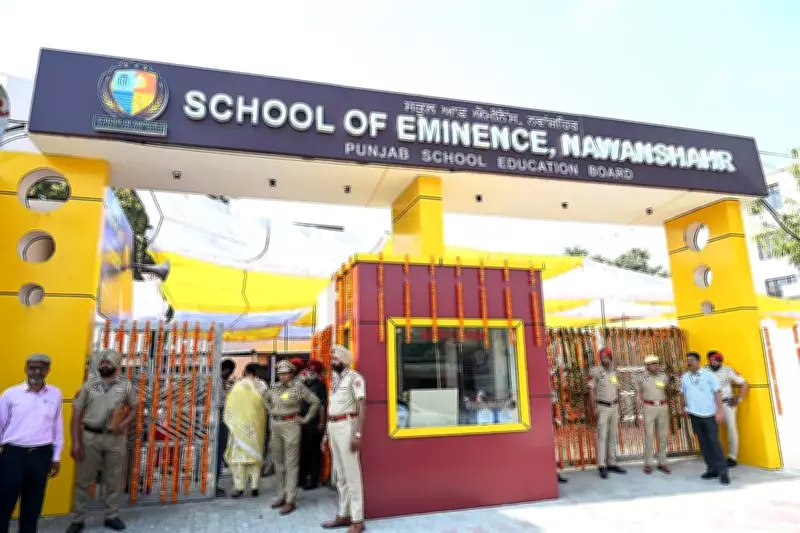
The Education Department in Jalandhar has recently introduced a policy aimed at easing the workload for teachers at Schools of Eminence (SOE), a move that has unexpectedly sparked widespread discontent among the teaching community. This decision, intended to improve work-life balance and enhance teaching quality, has instead raised concerns about fairness and operational challenges within the education system.
Details of the Workload Reduction Policy
Under the new guidelines, SOE teachers will see a reduction in their daily teaching hours and administrative duties. Specifically, the policy mandates a decrease in classroom instruction time by approximately 20%, along with streamlined paperwork and fewer extracurricular responsibilities. The department cites the need to reduce burnout and allow educators to focus more on student engagement and innovative teaching methods as the primary reasons behind this adjustment.
Key changes include:

- A cut in mandatory teaching periods per week from 30 to 24.
- Limitation on after-school activities and committee assignments.
- Introduction of digital tools to automate routine administrative tasks.
Causes of Discontent Among Teachers
Despite the intended benefits, the policy has led to significant discontent among SOE teachers. Many educators argue that the reduction in workload is not being applied uniformly across all schools, creating perceptions of favoritism and inequity. Some teachers report that they are still being assigned the same number of tasks informally, leading to confusion and frustration.
"While the policy looks good on paper, in practice, we are facing increased pressure from school administrations to compensate for the reduced hours," said one anonymous SOE teacher. Additionally, concerns have been raised about the lack of consultation with teacher unions before implementing the changes, which has fueled resentment and calls for a review of the policy.
Impact on School Operations and Student Learning
The workload reduction has also sparked debates about its impact on school operations and student outcomes. Proponents believe that less burdened teachers can deliver higher-quality education and foster better student-teacher relationships. However, critics worry that reduced teaching hours might lead to gaps in curriculum coverage and affect academic performance, especially in competitive subjects.
School administrators are now tasked with balancing these new guidelines with maintaining educational standards, which has added to the administrative challenges. The department has assured that monitoring mechanisms will be put in place to assess the policy's effectiveness over the coming months.
Broader Implications for Education Policy
This incident highlights ongoing tensions in education reform efforts, where well-intentioned policies can sometimes backfire due to implementation issues. It raises questions about how workload management should be approached to ensure teacher satisfaction without compromising educational quality. The discontent in Jalandhar serves as a case study for other regions considering similar measures, emphasizing the need for inclusive decision-making and clear communication.
As the situation develops, stakeholders are calling for dialogue between the Education Department, teachers, and unions to address grievances and refine the policy. The outcome could influence future initiatives aimed at improving working conditions for educators across the state.