Jharkhand Grapples with Digital Distraction as Reading Habits Decline
Ranchi: Across the globe, prolonged exposure to mobile phones is causing a significant decline in reading habits, particularly among children. Jharkhand mirrors this troubling trend, with parents increasingly concerned about their children's diminishing attention spans and weakened critical thinking skills, attributed to excessive gadget use and a waning interest in books.
Educators Sound the Alarm on Knowledge Gaps
Dr. Sanjay Kumar Karn, librarian at Ranchi University's central library, emphasized that reading is essential for all age groups to gain knowledge and broaden societal perspectives. "However, with the advent of technology and the rapid popularization of social media apps, people, especially youth, are more attracted to gadgets, adversely affecting them in multiple ways," he stated.
Echoing these concerns, Binod Narayan, head of the sociology department at Ranchi University, advised, "Since resources are unlimited on the internet, students should select books according to their subjects and interests. Reading good books across various fields also teaches different aspects of life."

Grassroots Movements to Cultivate Reading
Alarmed by this trend, individuals and groups from diverse backgrounds are taking proactive measures to instill reading habits in the younger generation.
Sanjay Kacchap's Library Initiative: An official in the state agriculture department, Sanjay Kacchap, has been establishing community libraries across Jharkhand since 2008 with the help of like-minded individuals. Starting with his first library in Pulihatu, Chaibasa, West Singhbhum, he has now set up 50 libraries statewide.
Kacchap, who faced challenges accessing books while preparing for government jobs in 2002, was motivated to create libraries after securing a railway job in 2004. "I decided to set up libraries so other aspirants wouldn't miss opportunities due to lack of access. I continue this work wherever I'm transferred," said Kacchap, currently serving as a market secretary in Pakur and Sahebganj.
Affectionately known as the 'Library Man,' Kacchap noted that digital addiction is diverting youth from books. "Through our community libraries, we encourage students to read autobiographies, storybooks, and novels alongside course materials to revive reading culture," he explained.
Pratigya's Mobile Libraries: In Ranchi, the youth collective 'Pratigya' operates four community libraries in underprivileged areas to promote reading and address literacy and numeracy gaps among slum children.
Chandan Singh, co-founder of Pratigya, described, "Daily, students flock to these libraries, exploring colorful storybooks, workbooks, illustrated encyclopedias, and numeracy guides. For many struggling with school lessons, these movable libraries are portals to confidence and curiosity."
University Reading Clubs: Students at Amity University in Ranchi have formed a reading club to counteract phone addiction. K Jeni, an English literature student and club coordinator, shared, "During meetings, phones are banned. We realized phone addiction has drastically impacted our attention spans, so we started this group in January to read and discuss books collectively."
Advocacy for a Public Library Act in Jharkhand
Many in Jharkhand are advocating for a Public Library Act (PLA) to mandate state government funding for library development. Notably, Bihar, which separated from Jharkhand in 2000, enacted this law in 2008, and over 20 states nationwide have implemented similar policies.
Librarians highlight that a PLA ensures budgetary allocations for libraries and can include provisions for establishing facilities at district, block, panchayat, and village levels.
Sanjay Kumar Karn, also secretary of the Jharkhand Information and Library Association, pointed out, "There is no PLA in the state. We've raised this issue on various platforms. Without proper funding and staff, government library facilities are suffering." Currently, district libraries exist in 22 of Jharkhand's 24 districts.

Rise of Private Reading Rooms
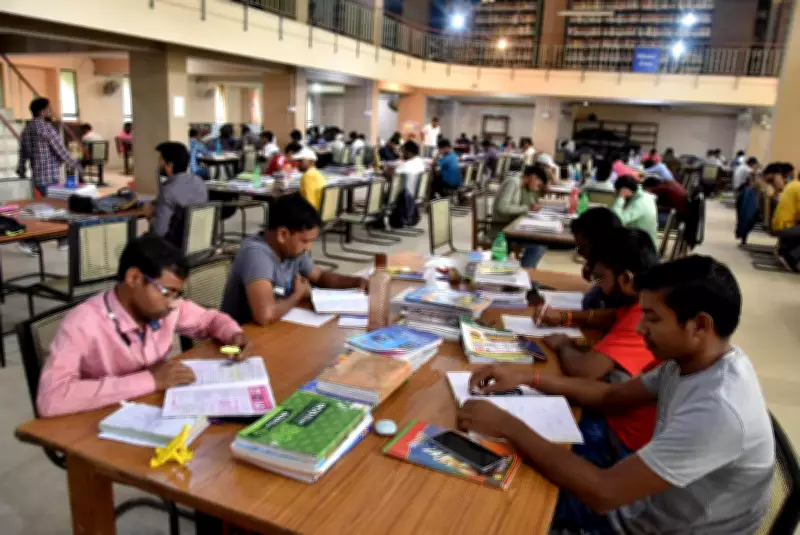
Recently, Ranchi and other urban centers in Jharkhand have seen a surge in library-cum-reading rooms. These private facilities cater to competitive exam aspirants, offering uninterrupted Wi-Fi, newspapers, books, and other materials for monthly fees ranging from Rs 400 to Rs 1,500, depending on usage hours.
Many such libraries also provide indoor games to help aspirants relax. Arpan Das, a NEET aspirant, explained, "Here, we get a focused reading atmosphere unlike at home or rented accommodations, where distractions are common. We can devote full time to preparations, discuss with peers, and clear doubts. Uninterrupted internet is a key reason many choose reading rooms over homes."