JNU Rustication Sparks Outcry: MPs, Faculty Decry Political Suppression of Student Dissent
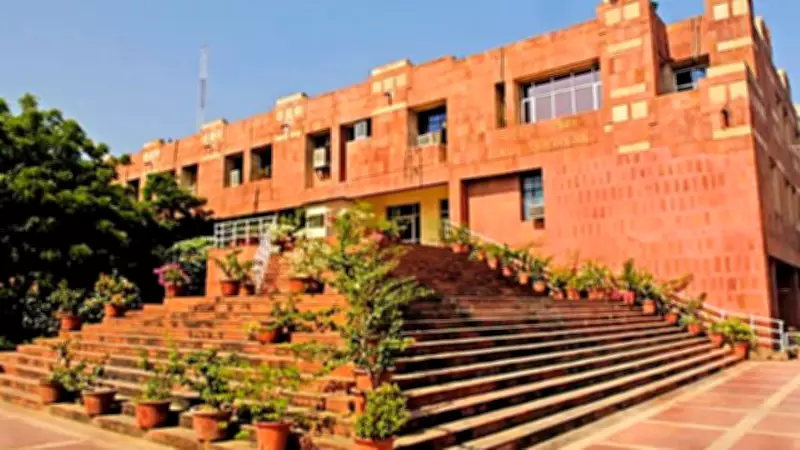
In a significant development, Members of Parliament, university faculty, and student leaders have strongly criticized the Jawaharlal Nehru University (JNU) administration for what they describe as a politically motivated action to suppress dissent. This follows the recent rustication of current and former office-bearers of the JNU Students’ Union (JNUSU), including former president Nitish Kumar and four others, for two semesters, along with campus entry bans and fines over alleged vandalism at the library gate.
Press Conference Highlights Accusations of Administrative Overreach
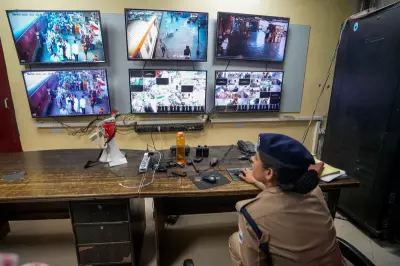
During a press conference held at the Press Club of India on Wednesday, speakers condemned the disciplinary measures as a dangerous escalation in how universities handle student protests. The action stems from a protest last year against the installation of a facial-recognition system at the university’s central library, which the administration labeled as vandalism to justify punitive steps.
Lok Sabha MP Raja Ram Singh emphasized that this move reflects a broader pattern of silencing marginalized voices. "When the voices of the poor and the marginalized rise, the response is an iron fist," he stated, adding that the JNUSU leaders are "fighting for the very soul of India’s democratic and secular education."

Rajya Sabha MP Manoj Jha echoed these concerns, asserting that universities should foster dialogue, not surveillance. "A university is meant to be a space for dialogue, not a fortress of surveillance," he said, announcing plans to raise the issue in Parliament. Another Lok Sabha MP, Sashikanth Senthil, accused the JNU administration of acting under the influence of "political masters," suggesting external pressures behind the decision.
Faculty and Student Voices Warn of Erosion of Academic Freedom
Faculty members joined the chorus of criticism, warning against administrative overreach. Uma Gupta, a professor at Delhi University, argued that the rustications go beyond mere discipline. "This is a declaration of war against the idea of a public university," she declared. "They want campuses where students don’t question and teachers don’t think."
Student representatives described an atmosphere of fear on campus, citing steep fines and punitive measures imposed on those who questioned surveillance practices. JNUSU president Aditi Mishra claimed the rustications aim to weaken collective resistance. "The administration thinks rustication will break us," she said. "Instead, it has only strengthened our resolve." She linked the action to broader student demands, including the restoration of equity-oriented regulations in higher education and legal safeguards against caste-based discrimination, such as the proposed 'Rohith Act'.
AISA Condemns Labeling of Peaceful Protest as Vandalism
The All India Students’ Association (AISA), which supports the current JNUSU leadership, issued a statement condemning the administration's actions. They argued that peaceful protest has been mischaracterized as vandalism to justify punitive measures. "The real vandalism," the statement read, "is the dismantling of constitutional values and social justice under the guise of discipline."
According to AISA, the protest against facial recognition was driven by concerns that students are being treated "as suspects rather than learners," and that surveillance technologies were introduced without adequate consultation. This incident highlights ongoing tensions between student activism and administrative authority in Indian higher education institutions.