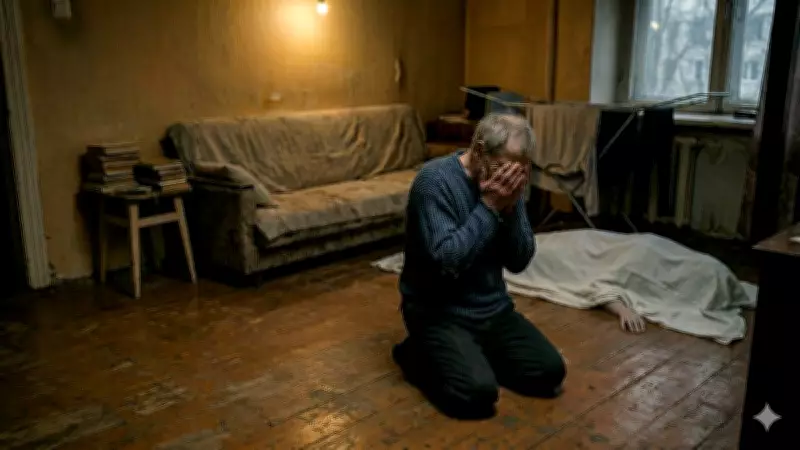
In a shocking incident from Uttar Pradesh, a man allegedly kept his deceased daughter's body at his residence for four months before being arrested by the police. The incident came to light after neighbors reported a foul smell emanating from the house in the Nawabganj area of Barabanki district.
Details of the Case
The accused, identified as Ram Naresh, a resident of a village in Nawabganj, was taken into custody on Tuesday. According to police, his 22-year-old daughter, Priya, had been suffering from a prolonged illness and died around four months ago. Instead of performing the last rites, Ram Naresh kept her body in a room, locking it from outside.
Neighbors Raise Alarm
Neighbors grew suspicious after noticing a persistent foul odor from the house and Ram Naresh's unusual behavior. When confronted, he gave evasive answers, prompting them to inform the local police. A team from Nawabganj police station reached the spot and broke open the locked room, discovering the decomposed body.

Police Action
Station House Officer (SHO) of Nawabganj police station, Dinesh Kumar Singh, said that the body was sent for post-mortem, and the father was arrested under relevant sections of the Indian Penal Code for concealing the death and causing public nuisance. The police are also investigating the exact cause of death and why the father chose to keep the body at home for such a prolonged period.
Possible Motives
Initial inquiries suggest that Ram Naresh might have been unable to afford the funeral expenses or was emotionally disturbed after his daughter's death. Some neighbors also claimed he was mentally unstable. However, police are probing all angles, including any foul play.
Community Reaction
The incident has sent shockwaves through the local community, with many expressing horror and disbelief. Villagers gathered at the spot, demanding strict action against the accused. Local authorities have assured that a thorough investigation will be conducted.
This case highlights the need for mental health awareness and social support systems in rural areas, where such extreme actions may stem from isolation or financial distress.