The Marginalization of Kannada-Medium Schools in India's Education Landscape
In the diverse educational ecosystem of India, Kannada-medium schools are increasingly finding themselves pushed to the margins, a trend that starkly contradicts established pedagogical and cognitive research. There exists a robust and widely accepted consensus among educators and cognitive scientists that children achieve optimal learning outcomes when instruction is delivered in their first language, particularly during the crucial formative years of early childhood. This principle, rooted in decades of empirical evidence, highlights the natural ease with which young minds grasp complex concepts in a familiar linguistic environment, fostering deeper comprehension and long-term retention.
The Pedagogical Imperative for First-Language Instruction
The argument for prioritizing instruction in a child's mother tongue is not merely anecdotal but is supported by substantial academic research. Studies consistently demonstrate that when children are taught in their first language, they develop stronger foundational skills in literacy and numeracy. This early advantage translates into improved academic performance across subjects as they progress through their schooling. The cognitive benefits extend beyond mere academic achievement; learning in one's native language enhances critical thinking abilities, boosts self-confidence, and nurtures a positive attitude toward education. It allows students to connect new knowledge with their existing cultural and experiential framework, making learning a more intuitive and engaging process.
The Growing Challenges Faced by Kannada-Medium Institutions
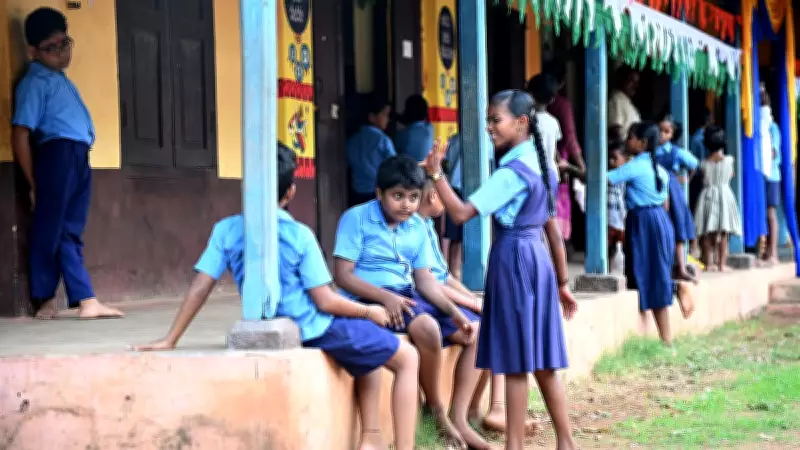
Despite these clear advantages, Kannada-medium schools are confronting significant challenges that threaten their viability and relevance. Many of these institutions struggle with inadequate funding, outdated infrastructure, and a shortage of trained teachers proficient in Kannada. The perception among parents and policymakers that English-medium education offers superior socioeconomic opportunities has led to declining enrollments in Kannada schools. This shift is often driven by the belief that English proficiency is essential for success in a globalized economy, inadvertently undermining the value of regional language education. Consequently, Kannada-medium schools are often relegated to a secondary status, operating with limited resources and reduced institutional support.

Potential Pathways Forward for Supporting Regional Language Education
Addressing the marginalization of Kannada-medium schools requires a multi-faceted approach that balances pedagogical needs with contemporary demands:

- Enhanced Government Support: Increased funding and policy initiatives to modernize infrastructure, develop Kannada-language teaching materials, and provide professional development for teachers.
- Public Awareness Campaigns: Educating parents and communities about the cognitive benefits of first-language education and the importance of maintaining linguistic roots.
- Curriculum Integration: Designing bilingual or multilingual education models that incorporate Kannada while gradually introducing other languages, ensuring students gain proficiency in multiple tongues without sacrificing their mother tongue foundation.
- Community Engagement: Involving local stakeholders, including cultural organizations and literary bodies, to advocate for and revitalize Kannada-medium education.
The ongoing neglect of Kannada-medium schools represents a critical gap in India's educational strategy, one that overlooks the profound benefits of first-language instruction. By recognizing and addressing these challenges, policymakers and educators can work towards an inclusive system that values linguistic diversity while equipping students with the skills needed for future success. The preservation of Kannada as a medium of instruction is not just about language; it is about nurturing cognitive development, cultural identity, and educational equity for generations to come.