Karnataka High Court Issues Directive on SSLC Exam Evaluation
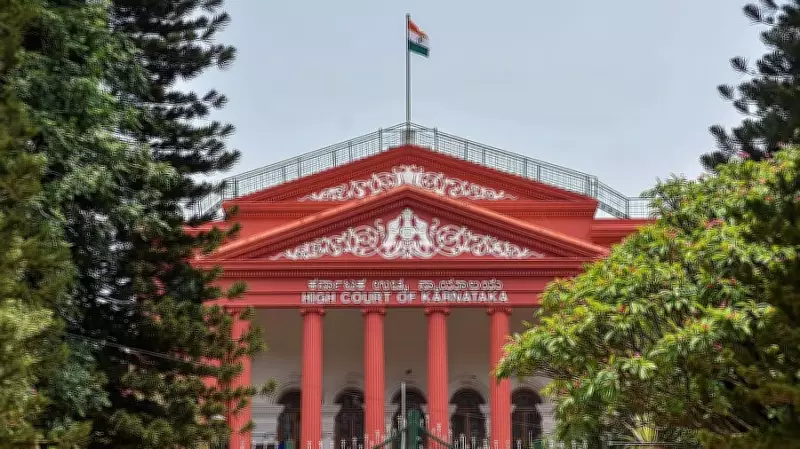
The Karnataka High Court has taken a firm stance on the evaluation process for the Secondary School Leaving Certificate (SSLC) examinations. In a significant ruling, the court has directed the state government to refrain from making any changes to the current evaluation procedure. This directive is aimed at maintaining stability and fairness in the assessment system for thousands of students across Karnataka.
Background and Context of the Court's Decision
The court's intervention comes amid concerns over potential alterations to the SSLC exam evaluation methods. The SSLC exams are a critical milestone for students in Karnataka, as they determine eligibility for higher education and future career paths. Any changes to the evaluation procedure could have far-reaching implications for students' academic outcomes and opportunities.
The High Court's directive emphasizes the importance of a consistent and transparent evaluation process. By instructing the state not to modify the existing procedure, the court seeks to prevent any disruptions or biases that might arise from sudden changes. This move is seen as a protective measure to safeguard students' interests and ensure that the evaluation remains objective and reliable.

Implications for Students and the Education System
This ruling has several key implications for students and the broader education system in Karnataka. Firstly, it provides reassurance to students that the evaluation criteria will remain unchanged, allowing them to prepare for their exams with clarity and confidence. Consistency in evaluation helps reduce anxiety and uncertainty among students, who can focus on their studies without worrying about shifting goalposts.
Secondly, the directive underscores the court's role in overseeing educational policies to ensure they align with principles of fairness and equity. By stepping in, the High Court highlights the need for careful consideration and stakeholder consultation before implementing any changes to critical examination processes. This could set a precedent for how similar issues are handled in the future, promoting a more deliberative approach to education policy-making.
State Government's Response and Future Steps
While the state government has not yet issued a detailed response to the court's directive, it is expected to comply with the order. The government may need to review any proposed changes to the SSLC evaluation procedure and ensure they are in line with the court's instructions. This could involve engaging with educational experts, teachers, and student representatives to develop a consensus on any future modifications.
Looking ahead, the High Court's decision may prompt broader discussions on the evaluation and assessment methods used in state board examinations across India. As education systems evolve, there is a growing need to balance innovation with stability, ensuring that reforms do not compromise the integrity of examinations. The Karnataka case serves as a reminder of the importance of judicial oversight in protecting students' rights and maintaining educational standards.
In conclusion, the Karnataka High Court's directive to maintain the SSLC exam evaluation procedure is a significant development in the state's education landscape. It reinforces the value of consistency and fairness in academic assessments, while also highlighting the judiciary's role in safeguarding educational interests. Students, parents, and educators will be watching closely to see how this ruling shapes future policies and practices in Karnataka's education system.