

For many women, becoming a mother is often imagined as a smooth, joyful journey—a simple series of moments from a positive pregnancy test to sharing the news with loved ones and preparing for a new chapter of life. But for thousands struggling with infertility, the reality is vastly different. It is filled with constant clinic visits, medicines that dictate daily routines, months of waiting, and an emotional rollercoaster that few people understand.
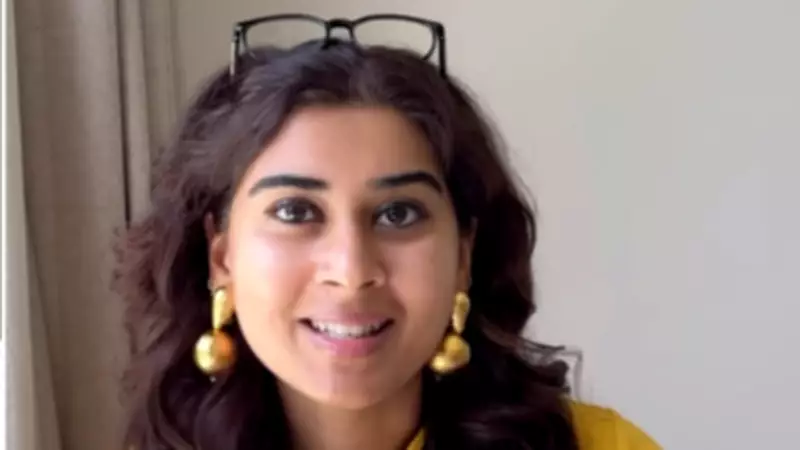
One such woman recently shared her IVF experience in a deeply personal post on Instagram. Her post resonated with women everywhere and sparked an important conversation about what women going through IVF truly need: not sympathy, not advice, but understanding.
What is the one thing that women are tired of being asked?
In her post, Nilofer wrote, “70+ injections, 30+ ultrasounds, 100+ doctor visits, countless bruises, and I've lost track of how many pills I've swallowed. IVF is a long, lonely road.” Infertility remains one of the most misunderstood struggles a woman can endure. People around her may have good intentions, but the emotional toll often stays hidden. Nilofer's post sheds light on something many women experience quietly.

A path she never thought she'd walk
Nilofer recalls a time when IVF felt like something from a distant reality. “During my college days, I'd walk past so many fertility and IVF clinics in South Delhi on my way to class. I never thought I'd end up sitting inside one myself someday,” she said. That single line speaks volumes. Most of us grow up believing parenthood will happen naturally when we are ready. When that does not pan out, many women suddenly find themselves in unfamiliar territory. Once in that world, everything revolves around appointments, medication schedules, and hospital visits.
“IVF is not just a medical procedure”
One of the most striking parts of Nilofer's post is how she frames IVF as far beyond a clinical treatment. “IVF isn't only a medical procedure. It takes over your calendar with appointments. You end up giving yourself injections. The waiting rooms start to feel heavier than they actually are.” For many women in treatment, everyday life gets reshaped. Travel gets postponed, work hours get rearranged, and social plans become difficult to execute.
She also touched on the emotional ups and downs that come with the territory. “It's hope tangled with fear. Positivity that quickly turns into overanalyzing everything,” she wrote. For many women, the physical side is just one piece of the puzzle; the emotional uncertainty can wear you down just as much, if not more.
The loneliness nobody mentions
Even with a strong support system of family, husband, and friends, Nilofer admitted that IVF still feels lonely. “I was fortunate that my family, husband, and friends were there for me however they could be. But at the end of the day, this is something you go through mostly alone.” That sense of being alone, even when you are not, is something many women in this situation describe. “Nobody else is inside your body. Nobody else can quiet your mind at 2 a.m. Nobody else feels exactly what you're feeling, physically or emotionally,” she said. This is why many women relate to her words—they reveal the private struggles that often hide behind everyday smiles, work calls, family functions, and Instagram stories.
What instead of sympathy a woman needs?
In her post, she wrote, “I'm putting this out there not for sympathy, but because if even one woman reading this feels a little less alone or a little more understood, then it was worth sharing.” She also addressed something almost every woman going through fertility treatment deals with: unsolicited advice. “Please skip the unsolicited advice. Just check in on how we're doing, and ask before offering suggestions,” she said. Her point is simple yet powerful. Support is not always about offering a fix; sometimes it is just about letting someone be honest about what they are going through.

Women don't need pity, they need to be understood
The heart of Nilofer's message is a reminder that women going through infertility show incredible strength, day after day. “Don't see us as victims, we're fighters,” she wrote. For so many women, IVF is not just a medical journey; it is a test of patience, strength, and emotional well-being. And perhaps the best thing those around them can do is not to offer another solution, but to simply understand. Because sometimes, being heard means so much more than being given advice.





