Hospitals and physicians across Pune and Pimpri Chinchwad have reported a significant increase in gastroenteritis cases over the past few weeks. Medical experts have noted that an unusual number of patients are developing severe complications, including sepsis and acute kidney injury, which require intensive care.
Surge in Severe Cases
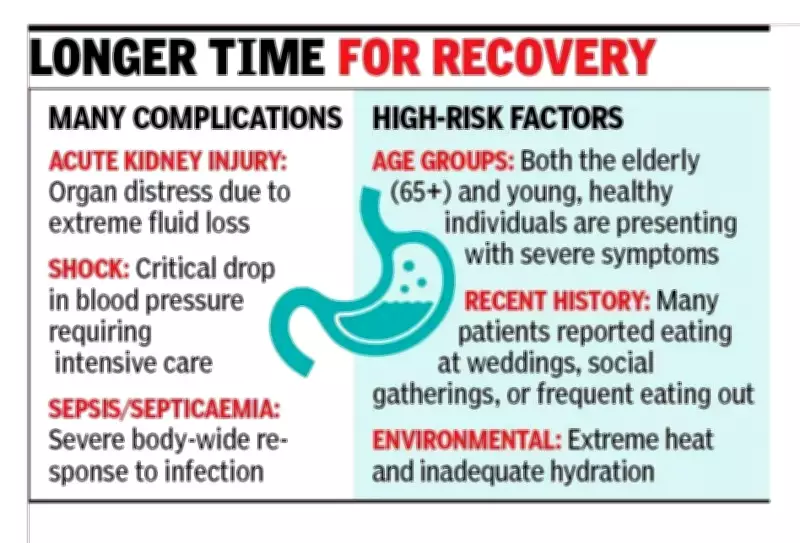
Dr Prakash Shende, consultant physician and professor at Dr D.Y. Patil Medical College, reported treating three patients for gastroenteritis-related sepsis in the ICU between mid-May and early June. These patients were critically ill and required nearly a week of hospitalization. While gastroenteritis is generally manageable with standard medication, seeing patients go into shock and develop sepsis is unusual, he said. He noted that the elderly have been particularly vulnerable, with three to four patients over the age of 65 requiring ICU care and remaining in shock for several days.
The patient load surged significantly in the latter half of May. In his OPD, he was seeing 20 to 24 gastroenteritis patients daily, and even now, the numbers remain high, with two to three new cases every day.

Bacterial Pathogens Identified
While many cases appear viral, doctors said several severe instances have been linked to bacterial pathogens such as E. coli, Salmonella, and Shigella. However, identifying the exact organism remains a challenge, as stool culture reports take several days and are typically reserved for the most critically ill patients.
Impact at Ruby Hall Clinic
At Ruby Hall Clinic, the surge has been equally pronounced. Dr Ashish Nandy, consultant and head of accident and emergency medicine, said approximately 76 patients arrived with symptoms like vomiting, abdominal cramps, and dehydration over the last two weeks. Under normal circumstances, only one or two such cases would be seen daily. The recent extreme heat has contributed significantly to this surge. While the majority are suffering from viral gastroenteritis and do not require ICU, recovery is taking longer than usual, leading to extended stays in general wards for fluid replacement and monitoring.
Reasons for the Outbreak
Doctors said gastroenteritis typically rises during the summer because intense heat creates the perfect breeding ground for bacteria such as E. coli and Salmonella in food and water. High temperatures accelerate food spoilage, while summer travel, frequent eating out, and general dehydration further disrupt gut health, making the population more vulnerable to infections.
However, the severity of this year's outbreak has surprised infectious disease experts. Dr Ameet Dravid said the complications are not limited to the elderly. Acute kidney injury, severe dehydration, and septicaemia leading to ICU admissions are being seen. Common enteric organisms like Shigella, Campylobacter jejuni, Salmonella, and E. coli are all present. Why this is happening so aggressively this year is unclear, but young, otherwise healthy people are presenting with high fever and serious complications.
Duration and Common Trends
The spike has persisted for nearly a month and a half, according to Dr Amol Dahale, a gastroenterologist based in Pimpri Chinchwad. While he found no clear link to drinking water, patient histories point towards common trends. Many affected individuals had recently eaten out, particularly at weddings and other social gatherings.
Health Advisory
Health experts advise residents to exercise caution with outside food and water during summer and seek medical attention immediately if symptoms like high fever or persistent vomiting occur.