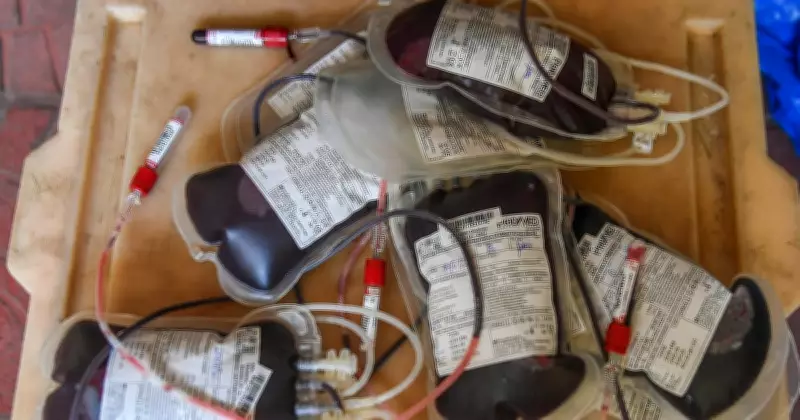
Despite a steady rise in blood donations across Karnataka, the state discards over 700 units of donated blood every week, according to recent data. The wastage amounts to approximately 3.7% of the total collected blood, raising concerns about inefficiencies in blood bank management.
Reasons Behind the Wastage
The discarded blood includes units that have exceeded their shelf life, particularly platelets which have a short lifespan of just five days. Other factors include donor infections detected after collection and a mismatch between supply and demand for certain blood types. Health officials note that while whole blood can be stored for up to 35 days, platelets require more precise logistics.
Call for Better Practices
Experts are urging blood banks to adopt stricter inventory management and improve coordination with hospitals. Regular audits and real-time tracking of blood stocks could minimize wastage. Additionally, public awareness campaigns are needed to encourage donation of rare blood types and ensure balanced collections.

The state health department has acknowledged the issue and is working on guidelines to optimize blood usage. Officials emphasize that every unit of blood is valuable and that reducing waste is critical to meeting the needs of patients, especially those with thalassemia, cancer, or undergoing surgeries.
Karnataka has seen a gradual increase in voluntary blood donations over the years, but the wastage figures highlight the gap between donation and effective utilization. With better planning and technology, the state aims to cut down on discards and save more lives.