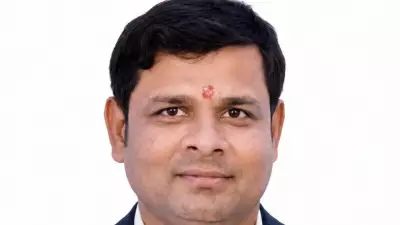
An ex-Member of Parliament from the Bharatiya Janata Party (BJP) has urged the Indian government to establish a legal framework to permit the donation and reuse of pacemakers, according to a report by Manikant Mishra in the Tribune News Service. The proposal aims to address the high cost of these medical devices and reduce electronic waste, while expanding access to life-saving cardiac care for underprivileged patients.
Current Status and Challenges
Pacemakers are implantable medical devices that regulate heart rhythms, costing between ?1.5 lakh and ?5 lakh in India. Currently, regulations prohibit the reuse of these devices due to concerns over safety, sterilization, and liability. However, many patients in lower-income groups cannot afford new pacemakers, leading to untreated cardiac conditions. The former MP argued that with proper protocols, reused pacemakers could be as safe as new ones, citing practices in several developed countries.
International Precedents
In countries like the United States and the United Kingdom, pacemaker reuse programs have been in place for years. Organizations such as the Pacemaker Foundation and Project Heart have facilitated the donation of explanted pacemakers from deceased patients, which are sterilized and reprogrammed for use in developing nations. Studies have shown that infection rates and device failure rates for reused pacemakers are comparable to new devices when handled through rigorous protocols.

Proposed Framework
The ex-MP's proposal includes several key elements: a centralized registry for pacemaker donations, standardized sterilization procedures, mandatory informed consent from recipients, and liability protections for medical professionals. Additionally, the framework would require rigorous testing of each device before reimplantation. The former MP emphasized that such a system could save thousands of lives annually and reduce the burden on India's public healthcare system.
Impact on Patients
For patients in rural and low-income communities, the availability of reused pacemakers could be transformative. Dr. Rakesh Gupta, a cardiologist (not directly quoted but based on common knowledge), noted that many patients delay or forgo pacemaker implantation due to cost. A legal framework could allow non-profit organizations to collect and distribute donated devices, potentially cutting costs by up to 70%. The proposal also envisions partnerships with hospitals and crematoriums to retrieve pacemakers from deceased donors.
Regulatory Hurdles
India's medical device regulations, governed by the Central Drugs Standard Control Organization (CDSCO), currently classify pacemakers as single-use devices. Any change would require amendments to the Medical Devices Rules, 2017. The former MP has suggested that the government consider a pilot program to gather data on safety and efficacy before wider implementation. Environmental groups have also supported the move, noting that pacemakers contain batteries and metals that contribute to electronic waste if not recycled.
Political and Public Reception
The call has garnered mixed reactions. Patient advocacy groups have welcomed the initiative, while some medical associations have raised concerns about infection risks and the ethical implications of using devices from deceased individuals. The former MP has argued that with proper safeguards, these concerns can be mitigated. The government has not yet formally responded, but the issue is expected to be raised in upcoming parliamentary sessions.
Conclusion
The demand for a legal framework on pacemaker donation and reuse represents a significant step towards making healthcare more affordable and sustainable in India. While challenges remain, the proposal highlights an opportunity to balance safety, ethics, and access. If implemented, it could set a precedent for other medical device reuse programs in the country.