Karnataka High Court Declines to Hear Petition on SSLC Exam Grading Controversy
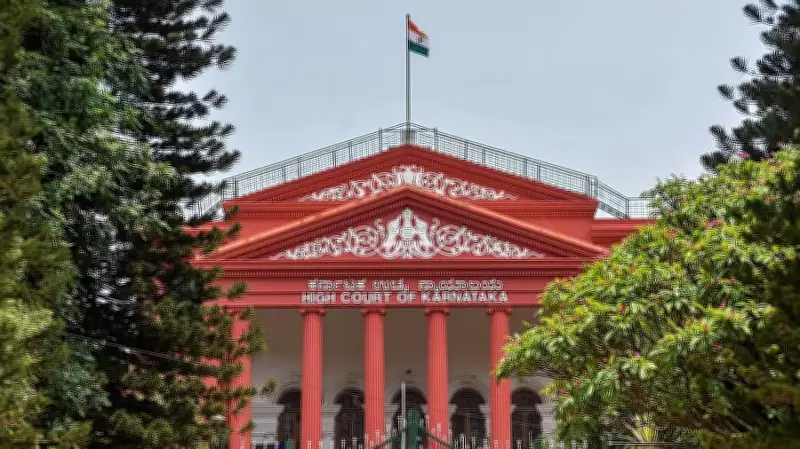
The Karnataka High Court has made a significant ruling by refusing to entertain a petition that sought to challenge the grading system implemented for the Secondary School Leaving Certificate (SSLC) examinations. This decision underscores the court's stance on adhering to established educational policies and procedures.
Background of the Case
The petition was filed by concerned parties who disputed the grading methodology used in the SSLC exams, arguing that it may not accurately reflect student performance or align with fair assessment standards. However, the court noted that a specific circular was in effect at the time the examination notification for the academic year 2025-26 was issued. This circular outlined the grading framework, and the court emphasized that it must be respected as the governing guideline during that period.
Judicial Reasoning and Implications
In its ruling, the Karnataka High Court highlighted that the circular's provisions were legally binding and applicable to the SSLC exams for the specified academic year. By refusing to hear the petition, the court effectively upheld the existing grading system, preventing any immediate changes or disruptions to the examination process. This decision has broader implications for educational governance in Karnataka, reinforcing the importance of following procedural timelines and established regulations in academic matters.

Key Points from the Court's Observation:
- The court acknowledged the existence of a prevailing circular related to the SSLC exam grading.
- It was determined that this circular was active and enforceable on the date when the examination notification for 2025-26 was released.
- The refusal to hear the petition means that the grading system will remain unchanged for the current academic cycle, affecting thousands of students across the state.
Reactions and Future Outlook
This ruling is likely to spark discussions among educators, parents, and students regarding the fairness and transparency of grading systems in state board exams. While some may view the court's decision as a setback for reform, others might see it as a necessary step to maintain consistency and avoid last-minute alterations that could compromise exam integrity. Moving forward, stakeholders may consider advocating for policy reviews or amendments in future academic years to address any perceived shortcomings in the grading methodology.
The case highlights the ongoing challenges in balancing judicial intervention with administrative autonomy in education. As Karnataka continues to navigate these issues, the focus remains on ensuring equitable and reliable assessment practices for all SSLC candidates.