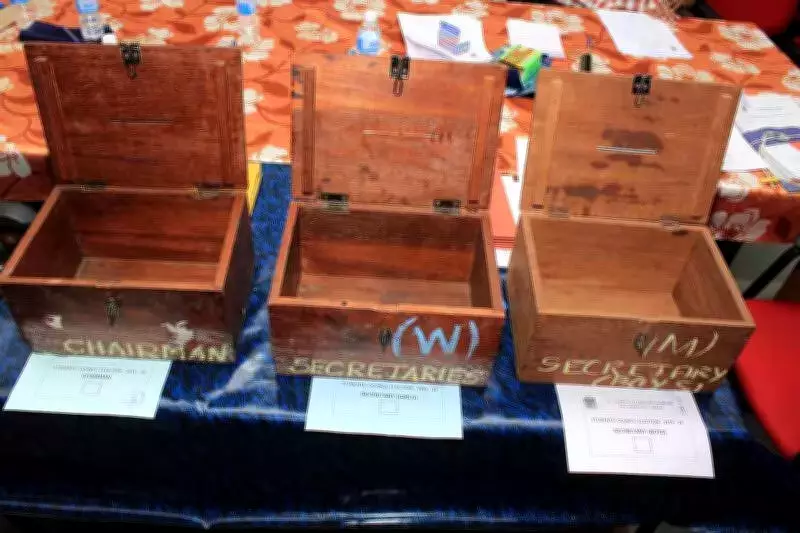
Mixed Reactions Emerge Over Karnataka Student Elections Revival Plan
The proposal to revive student elections in Karnataka has generated a complex and varied response during public consultations, with law and order emerging as a primary concern for the nine-member KPCC committee tasked with examining the issue. The committee, established to explore the feasibility of reinstating university student body elections, has identified maintaining peace and preventing violence as central challenges that must be addressed before any implementation.
Committee Deliberates on Election Models and Safety Measures
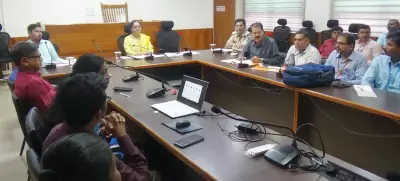
Committee members have engaged in detailed discussions regarding methods to conduct elections to university students' bodies without triggering incidents of violence or rowdy behavior. These deliberations have included careful consideration of eligibility norms for candidates, aiming to establish a framework that promotes fair and orderly participation. The panel has conducted an extensive review of existing models, including the Lyngdoh Committee recommendations and Delhi University's election system, while actively seeking input from vice-chancellors across the state.
"Emails and letters from our consultations seem positive and in favor of elections," revealed some committee members, indicating a broad leaning within the panel towards restoring the electoral process, provided adequate safeguards are established. However, medical education minister Sharanprakash Patil, who chairs the committee, offered a more nuanced perspective, stating that the feedback has been decidedly mixed. "We need further consultation. In the next meeting, on Sunday, we will formulate a concrete proposal," he explained to reporters.

Political Leaders Debate the Value and Risks of Student Elections
BK Hariprasad, a Senior Congress MLC who was actively involved in student politics until 1980, passionately argued that such polls are crucial for grooming the youth, a process he believes has been absent since the ban was imposed in 1989. "Genuine leaders have not emerged. When students contest polls in college, they understand rules and regulations, democracy and the Constitution. They come through the process and many transition to mainstream politics," he asserted, citing the example of K Chandrasekhar from Basavanagudi, who progressed to become the mayor of BBMP.
In contrast, S Suresh Kumar, former education minister and senior BJP MLA, acknowledged that student elections are essential for nurturing leadership but issued a strong warning about potential downsides. "Elections to university student bodies are necessary to groom young political leaders, but it's a double-edged weapon. Students with an academic mindset could be left out, and in their absence, riff-raffs could come to the fore," Kumar cautioned. He emphasized that the committee should engage directly with students to understand their perspectives and ensure the process does not marginalize academically inclined individuals.
Path Forward: Bridging Gaps and Ensuring Inclusivity
Kumar further elaborated on the necessary steps for moving forward, stating, "The way forward would be to understand students' mindset and inclinations regarding elections, and bridge that gap." This approach highlights the importance of creating an electoral system that balances political engagement with academic excellence, ensuring that all students have the opportunity to participate without fear of exclusion or disruption.
The ongoing discussions underscore the delicate balance required to reintroduce student elections in Karnataka. While there is significant support for reviving the process to foster democratic values and leadership skills, concerns about law and order, violence, and the potential marginalization of academically focused students remain substantial hurdles. The committee's upcoming meeting on Sunday is expected to be pivotal in shaping a concrete proposal that addresses these multifaceted challenges, aiming to create a safe, inclusive, and effective framework for student elections in the state's universities.