A cancer prevention vaccine, specifically the human papillomavirus (HPV) vaccine, is facing significant resistance in the Indian state of Haryana. This resistance stems from a combination of misinformation, cultural taboos, and lack of awareness about the vaccine's benefits. Health officials are struggling to overcome these barriers to protect the population from cervical cancer and other HPV-related cancers.
Reasons for Resistance
Several factors contribute to the reluctance among residents to accept the HPV vaccine. One major issue is the widespread misconception that the vaccine promotes promiscuity among young recipients. Additionally, there is a general distrust of vaccines fueled by past controversies and rumors circulating on social media. Cultural sensitivities around discussing sexual health openly also hinder vaccination campaigns.
Impact on Public Health
The resistance poses a serious threat to public health in Haryana, which already has a high incidence of cervical cancer. Without widespread vaccination, the state will continue to see preventable deaths and suffering. Health experts emphasize that the HPV vaccine is safe and effective, with extensive clinical trials backing its use.

Efforts to Increase Vaccination
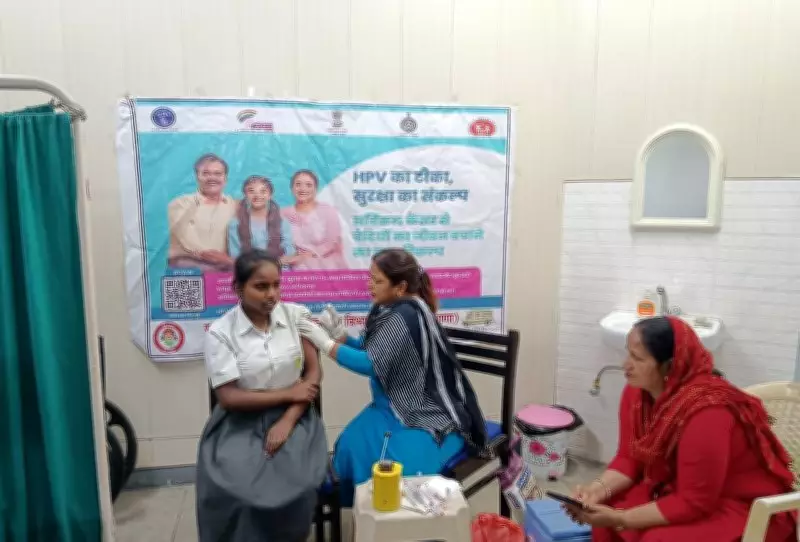
To combat resistance, the Haryana government and NGOs are launching awareness programs targeting parents and school authorities. These initiatives include educational sessions in schools and community centers, distribution of informational pamphlets, and collaboration with local influencers to dispel myths. Vaccination camps are being set up to provide easy access to the vaccine.
Role of Healthcare Workers
Healthcare workers are being trained to address concerns empathetically and provide accurate information. They play a crucial role in building trust and encouraging families to vaccinate their children. The success of these efforts depends on sustained engagement and community participation.
Despite the challenges, health officials remain hopeful that with persistent education and outreach, the resistance can be overcome, leading to better cancer prevention outcomes in Haryana.