Centre Brokers Historic Water Sharing Agreement Between Haryana and Rajasthan
The central government has successfully mediated a landmark water-sharing agreement between Haryana and Rajasthan, bringing an end to a decades-long dispute over the allocation of river waters. The agreement, announced on June 29, 2026, outlines a framework for equitable distribution and sustainable management of water resources from the Yamuna and its tributaries.
Details of the Agreement
According to the Ministry of Jal Shakti, the agreement covers the sharing of water from the Yamuna river and its tributaries, including the Markanda, Ghaggar, and Tangri rivers. Under the terms, Haryana will receive 60% of the available water, while Rajasthan will get 40%, with provisions for adjustments during drought years. The deal also includes joint infrastructure projects for water storage and conservation, such as new reservoirs and canal modernization.
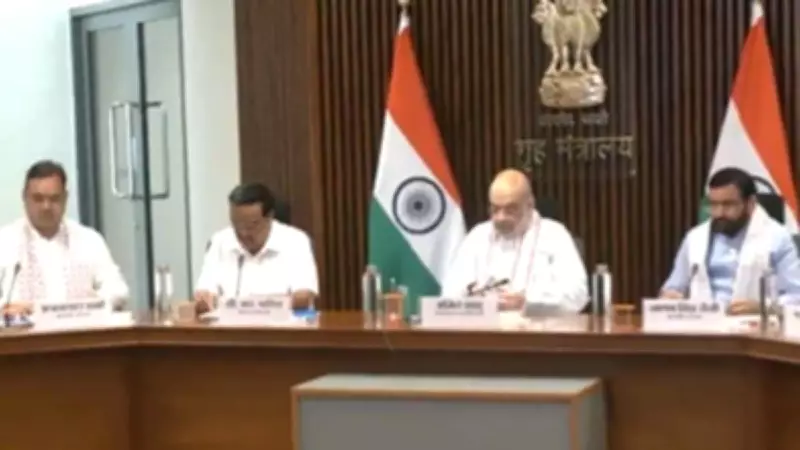
The agreement was signed by the chief ministers of both states in the presence of the Union Jal Shakti Minister, who stated, “This is a historic moment that will benefit millions of farmers and ensure water security for future generations.”

Background of the Long-Standing Dispute
The water dispute between Haryana and Rajasthan dates back to the 1960s, following the reorganization of states. The core issue was the allocation of water from the Yamuna river system, which flows through Haryana before entering Rajasthan. Haryana argued for a larger share due to its agricultural needs and population growth, while Rajasthan claimed historical rights and the necessity for irrigation in its arid regions.
In 1994, the dispute was referred to a tribunal, which recommended a 60:40 split in favor of Haryana, but Rajasthan challenged this in court, leading to prolonged legal battles. The matter remained unresolved for over three decades, with periodic tensions flaring up during drought years.
Key Elements of the Resolution
The central government’s intervention involved intensive negotiations over the past year, led by the Ministry of Jal Shakti. The agreement includes a mechanism for real-time monitoring of water flow and usage using satellite imagery and sensor networks. Both states have agreed to set up a joint water management authority to oversee implementation and resolve future disputes.
Additionally, the deal allocates funds for water conservation projects, including rainwater harvesting and groundwater recharge, with the Centre contributing 75% of the costs. The agreement also addresses environmental flows to maintain river health.
Reactions and Impact
Chief Minister of Haryana called it a “win-win situation for both states,” while his Rajasthan counterpart said, “This agreement ends years of uncertainty and will boost agricultural productivity.” Farmers’ unions in both states have welcomed the deal, though some expressed concerns about the implementation timeline.
The agreement is expected to benefit over 10 million farmers and improve water availability for drinking and irrigation. It also sets a precedent for resolving other inter-state water disputes in India, such as those involving the Cauvery and Krishna rivers.
Way Forward
The joint water management authority will be formed within three months, with representatives from both states and the Centre. The first project under the agreement is a new reservoir on the Markanda river, with a capacity of 500 million cubic meters, to be completed by 2028. The Centre has assured full support for all projects, with an initial allocation of Rs 2,000 crore.
This agreement marks a significant step towards cooperative federalism in water resource management, emphasizing dialogue over litigation.