In a move set to redefine the traditional classroom setup, the state of Kerala has unveiled a groundbreaking draft proposal aimed at revolutionizing school education. The initiative, spearheaded by the state's education department, focuses on two pivotal changes: eliminating the concept of backbenchers and significantly reducing the weight of school bags.
Public Consultation on Transformative Draft
State Education Minister V Sivankutty, in an official statement, confirmed that the government has decided to throw open the draft report for public scrutiny and comments. This step is intended to ensure widespread societal participation in the crucial process of reshaping education. The draft report was made public on January 9, 2026, marking the start of a collaborative phase where parents, teachers, students, and experts can contribute their perspectives.
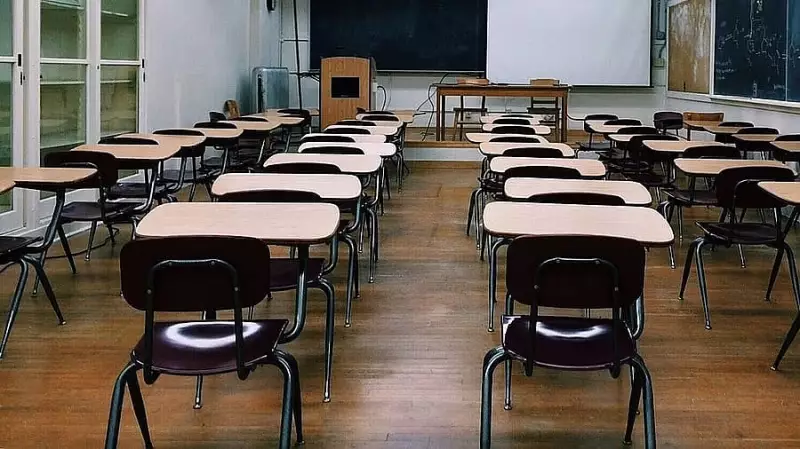
The core philosophy behind this move is to foster a more inclusive and equitable learning environment. The traditional classroom seating arrangement, often perceived to subtly reinforce hierarchies, is under review. The proposal envisions a layout that promotes equal attention and engagement for every student, irrespective of their seating position.

Addressing the Burden of Heavy School Bags
Parallel to the seating reform, the draft report tackles the long-standing issue of heavy school bags, a concern consistently raised by health professionals and parents alike. Carrying excessively loaded bags can lead to chronic back pain, posture problems, and musculoskeletal issues in growing children.
The Kerala government's proposal outlines concrete strategies to lighten this physical burden on students. While the specific measures are part of the draft under discussion, they are expected to involve a rationalization of textbooks, promotion of digital resources, and revised timetabling to minimize the number of books carried daily.
Implications and the Road Ahead
If implemented, these reforms could have far-reaching consequences for the school education system in Kerala, often a trendsetter in social and educational policies in India. Removing the 'backbencher' label aims to dismantle unconscious biases and encourage a more participatory classroom culture where every student feels equally valued by the teacher.
The call for public comments underscores a democratic approach to policy-making. By inviting feedback, the government acknowledges that successful educational reform requires the buy-in and wisdom of the entire community. The period following January 9, 2026, will be critical for gathering diverse opinions before finalizing the policy framework.
This initiative reflects a growing global shift towards student-centric learning environments that prioritize physical well-being and psychological equity. As Kerala embarks on this consultative journey, the outcomes could potentially offer a replicable model for other states grappling with similar challenges in their education sectors.