Kerala Government Moves to Regularize 20,000 Aided School Teachers
The Kerala government has announced a significant decision to regularize the services of approximately 20,000 teachers working in aided schools across the state. This move aims to provide job security and stability to educators who have been serving in these institutions, often under temporary or contractual arrangements. The regularization process is contingent upon the pending verdict from the Supreme Court of India, which is currently reviewing related legal matters.
Background and Context of the Decision
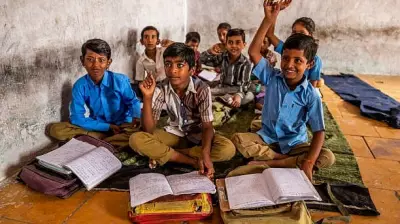
The issue of teacher regularization in aided schools has been a long-standing concern in Kerala's education sector. Aided schools, which receive partial funding from the government but are managed by private entities, employ a large number of teachers whose job status has been uncertain. Many of these educators have been working for years without permanent positions, leading to demands for regularization to ensure fair treatment and benefits.
The state government's decision comes after extensive deliberations and pressure from teacher unions and educational stakeholders. It reflects a commitment to addressing the welfare of teachers and improving the overall quality of education in Kerala. By regularizing these teachers, the government aims to boost morale and reduce turnover in the teaching workforce.

Supreme Court's Role and Pending Verdict
The regularization of 20,000 aided school teachers is pending the Supreme Court's verdict on a case that involves similar issues. The court is examining legal aspects related to teacher appointments and regularization in aided institutions, which could set precedents for such decisions nationwide. The Kerala government has stated that it will proceed with the regularization only after the Supreme Court delivers its judgment, to ensure compliance with legal standards.
This cautious approach highlights the government's intent to avoid potential legal challenges and ensure that the regularization process is transparent and fair. It also underscores the importance of judicial oversight in matters of public employment and education policy.
Implications for Teachers and the Education Sector
The regularization of 20,000 teachers is expected to have far-reaching implications:
- Job Security: Teachers will gain permanent positions, providing them with stability and reducing anxiety about their employment status.
- Benefits and Incentives: Regularized teachers will be eligible for government benefits, such as pensions, health insurance, and other allowances, improving their overall well-being.
- Educational Quality: With a more secure and motivated teaching force, schools may see improvements in teaching standards and student outcomes.
- Economic Impact: The move could stimulate the local economy by increasing disposable income for teachers and their families.
However, the decision also raises questions about funding and administrative challenges. Aided schools rely on government grants, and regularizing a large number of teachers may require additional financial resources. The government has indicated that it will work with school managements to address these issues collaboratively.
Future Steps and Broader Significance
Once the Supreme Court verdict is delivered, the Kerala government plans to implement the regularization process in phases. This will involve verifying the credentials of teachers, ensuring they meet eligibility criteria, and integrating them into the formal education system. The move is part of broader efforts to reform Kerala's education sector, which has been praised for high literacy rates but faces challenges in teacher employment and infrastructure.
This decision could serve as a model for other states in India grappling with similar issues in aided schools. It highlights the need for balanced policies that protect teacher rights while maintaining educational standards. As the situation evolves, stakeholders will closely monitor the Supreme Court's ruling and its impact on Kerala's education landscape.